Bone Fracture Risk Threatens Millions of Women Over 50 Due to Decreasing Bone Density

Osteopenia: Understanding the Condition and Its Dangers
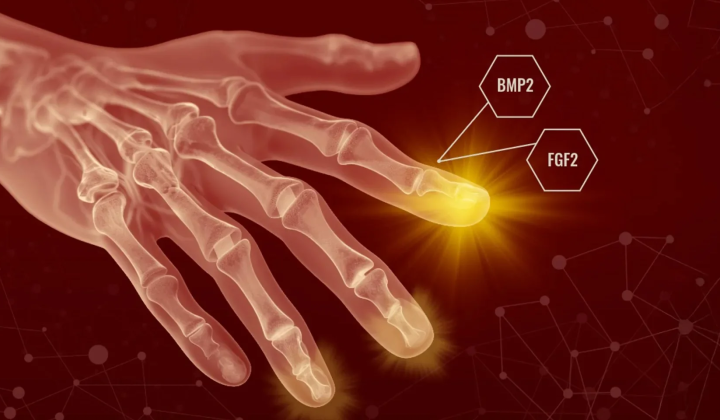
According to НВ — Техно: Osteopenia is a widespread health concern, particularly among postmenopausal women and the elderly. This condition involves a reduction in bone mineral density, which significantly raises the likelihood of fractures. In the United Kingdom alone, over 500,000 fractures linked to low bone density are recorded annually. Women aged 50 and older are especially susceptible, with roughly one in two experiencing a fracture caused by bone fragility.
Peak bone mass is typically reached between the ages of 25 and 30, after which a natural decline in bone density begins. Aging is the primary driver of this loss. However, several additional risk factors can accelerate the onset of osteopenia. These include:
- hormonal shifts following menopause
- smoking
- excessive alcohol consumption
- lack of physical activity
- insufficient calcium and vitamin D intake
- long-term use of steroid medications
- conditions like Crohn's disease and celiac disease
Diagnosis and Treatment Options
Dual-energy X-ray absorptiometry (DXA) is the standard method for diagnosing osteopenia. Scores ranging from -1.0 to -2.5 indicate osteopenia, while readings below -2.5 point to osteoporosis. Treatment aims to halt further bone loss and minimize fracture risk.
To maintain strong bones, experts recommend:
- quitting smoking and limiting alcohol intake
- keeping a healthy body weight
- engaging in regular physical activities such as walking, dancing, jogging, strength training, or tai chi
- ensuring adequate consumption of calcium and vitamin D
The decision to use medication is based on a fracture risk assessment that considers age, bone density, and other factors. It is crucial to recognize that early diagnosis and effective preventive strategies can greatly enhance the quality of life for those affected by osteopenia.
Source: ScienceDaily
Osteopenia represents a significant medical challenge, especially for women after menopause, and requires attention from both healthcare providers and patients. Timely detection and the adoption of preventive measures can substantially lower fracture risks and improve overall health. Paying close attention to risk factors and taking steps to support bone health is essential, as this can have a lasting impact on long-term well-being.
In addition to bone health concerns, women face heightened risks of cognitive decline, particularly as they age. Recent studies highlight that factors influencing conditions like osteopenia may also intersect with those contributing to dementia. Understanding these overlapping risks can be crucial for proactive health management. To learn more about the surprising factors that affect women's cognitive health, visit our article on dementia risk factors.

Read also