Ukraine's Foreign Currency Reserves Hit a Record $57.7 Billion: Implications and Context

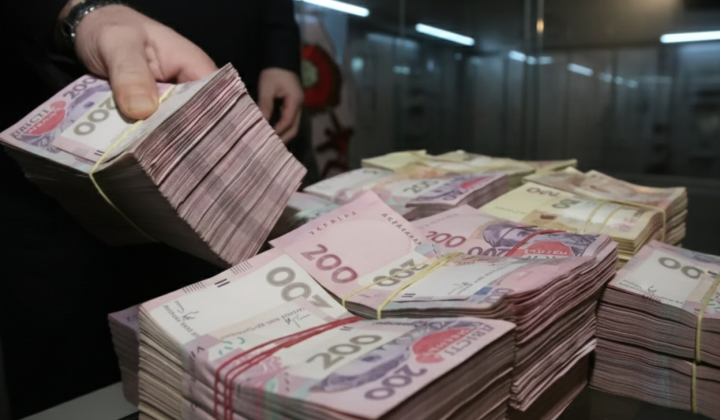
Ukraine's Foreign Reserves at the Start of 2026
According to Главком: As of February 1, 2026, Ukraine's international reserves have reached a historic high of $57.66 billion. This growth was driven by external financing, debt repayments, and operations conducted by the National Bank of Ukraine (NBU). In January alone, reserves increased by $357.8 million, a sign of stability within the nation's financial system. This record level provides a crucial buffer for the economy amidst ongoing challenges.
A significant portion of the reserves was formed thanks to inflows from the World Bank, which exceeded $3.1 billion. Concurrently, expenditures for servicing state debt in January amounted to $310.7 million, of which:
- $233.9 million was spent on servicing domestic government bonds;
- $76.8 million went to payments to other creditors, including $171.6 million to the International Monetary Fund.
The NBU's net foreign currency sales in January totaled $3.73 billion, which is 20.7% less than in December 2025. Furthermore, reserves were boosted by $1.45 billion due to revaluation. Importantly, the current level of international reserves is sufficient to cover approximately six months of future imports, underscoring Ukraine's financial resilience in the face of global pressures.
Customs Revenue and Economic Stability
It is also noteworthy that customs payments to the state budget in January 2026 reached UAH 56.2 billion, which is UAH 8.8 billion more than in January 2025. This increase was made possible by a 20.4% growth in the volume of taxable imports. The positive trends in both international reserves and customs revenue point toward a stabilizing Ukrainian economy.
The rise of Ukraine's international reserves to a record level is a key indicator of the country's financial stability, especially under conditions of global economic challenges. - Economic Expert
The attraction of substantial funds through international financial institutions like the World Bank demonstrates confidence in Ukraine's economic policy and its capacity to manage debt obligations. Simultaneously, the rise in customs revenue indicates a revival in import activity, which can contribute to further economic growth. Overall, these factors signal an improving macroeconomic situation in Ukraine, supported by steady management of public finances.

Read also