IOC Reverses Course on Heraskevych: Athlete Allowed at Games but Banned from Competition

The Case of Vladyslav Heraskevych
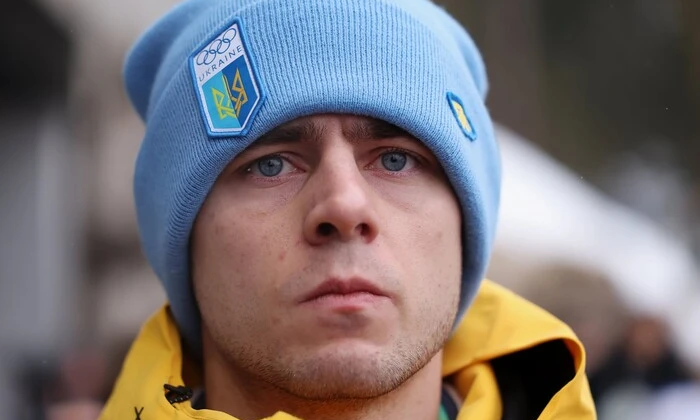
According to Главком: The International Olympic Committee (IOC) has overturned its initial ruling concerning Ukrainian skeleton racer Vladyslav Heraskevych. While his accreditation for the 2026 Olympic Games has been reinstated, allowing him to be present, he will be barred from competing. This decision stems from his refusal to comply with the IOC's guidelines on athlete expression.
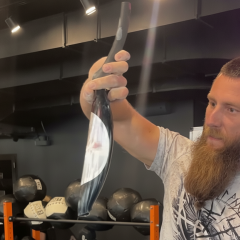
The IOC Disciplinary Commission, with the support of the International Bobsleigh and Skeleton Federation (IBSF) jury, ruled to exclude Heraskevych from the race. The primary reason was that the helmet he intended to wear violated the rules governing athlete self-expression. This case highlights the ongoing tension between Olympic neutrality and athletes' desire to make personal statements on global issues.
Meeting with the IOC President
A final personal meeting took place between IOC representatives and Heraskevych with IOC President Kirsty Coventry. Following their discussion, Coventry requested the chair of the Disciplinary Commission to review the decision to revoke the athlete's accreditation. This request was granted, meaning Heraskevych can now attend the Winter Olympics in Italy, despite his ineligibility to compete.
Vladyslav Heraskevych expressed hope for a resolution to the conflict with the IOC, stating he did not intend to create a scandal. He argued his actions were a response to a rule interpretation widely seen as discriminatory. Heraskevych has called for the IOC to lift the ban on his 'Helmet of Remembrance,' apologize for the pressure he faced, and provide power generators for Ukrainian sports facilities damaged by shelling. He awaits a response before the skeleton competitions begin.
Therefore, while the situation remains complex, Heraskevych's permitted presence at the Games indicates a shift in the IOC's stance.
This incident reflects broader challenges athletes face in an era of global conflict and social change.
Interactions between sports governing bodies and athletes can significantly impact the reputation and image of sport, particularly concerning human rights and freedom of expression. Heraskevych's ability to attend the Olympics, albeit not to compete, underscores the critical importance of dialogue in resolving the complex issues that arise in modern sports.

Read also