NASA Scales Back Boeing Starliner Missions, Plans Uncrewed Flight to ISS

Technical Issues Ground Starliner Crew Missions
According to Главком: NASA has revised its partnership plans with Boeing following technical failures during the operation of the CST-100 Starliner spacecraft. The next Starliner flight to the International Space Station (ISS) will now be conducted without a crew. This decision is a direct result of an unsuccessful crewed test flight in 2024, during which several thrusters in the spacecraft's maneuvering and attitude control system malfunctioned. This setback highlights the rigorous safety standards required for human spaceflight.
In light of these persistent issues, the total number of planned Starliner missions has been reduced. Boeing's contract under NASA's Commercial Crew Program was valued at $4.5 billion and originally included six operational flights following certification. The company is now focusing its efforts on the Starliner-1 mission, which will incorporate lessons learned from the previous flight tests.
Safety remains our highest priority. - Boeing Spokesperson
Space Industry Updates
In other spaceflight news, the Japanese company Space One attempted its third launch of the Kairos rocket, which was carrying five satellites. The flight ended approximately two minutes after liftoff when the rocket was deliberately destroyed following the detection of an anomaly.
Separately, Russia has conducted its first rocket launch from the repaired pad at the Baikonur Cosmodrome. The Russian spacecraft is scheduled to dock with the ISS on March 24. However, after reaching orbit, one of the antennas for the Kurs docking system failed to deploy on the vehicle.
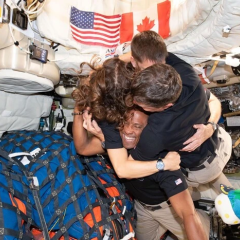
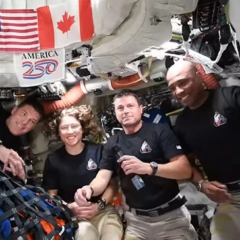
NASA astronauts Butch Wilmore and Suni Williams have extended their stay on the ISS to nine months, underscoring the critical importance of reliable crew transportation amid these recent technical challenges across the industry.
These events collectively illustrate the complex hurdles facing space programs in the United States and internationally. The ongoing issues with Starliner and incidents like the Kairos launch failure can impact confidence in new technologies and programs. Nevertheless, the continued operations aboard the ISS and the persistence of these missions demonstrate the enduring drive for progress in space exploration, offering hope for future successes.
As NASA navigates the challenges surrounding the Starliner missions, it's important to note that other space agencies are also facing technical difficulties. For instance, the recent issues with the Russian Progress cargo ship, which will require a manual docking procedure due to a system failure, highlight the complexities of ensuring safe and reliable operations in space. To learn more about this situation and its implications for international space missions, read about the manual docking of the Progress cargo ship.

Read also