130-Year-Old Freudian Theories Validated by Modern Neuroscience

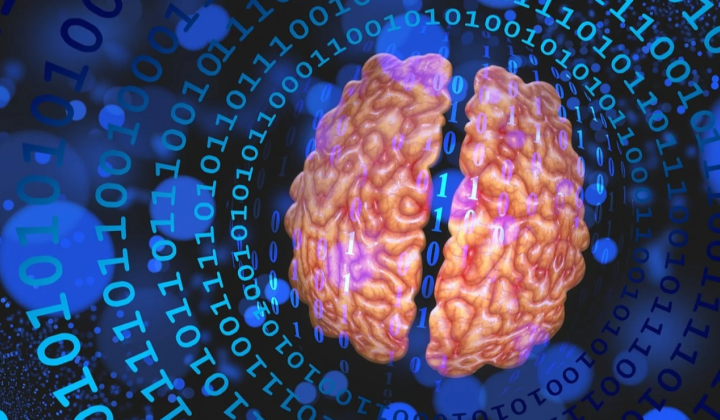
Bridging Brain Research and Psychoanalysis
According to НВ — Техно: A study featured in the journal Entropy draws parallels between today’s leading brain function models and the ideas Sigmund Freud introduced 130 years ago. Researchers from the Department of Psychology-including Erik Stänicke, Bendix Hovet, and Line Indrevoll Stänicke-argue that merging neuroscience with psychoanalysis can lead to a more complete understanding of the human mind.
Core Insights of the Study
At the heart of this work lies the predictive processing framework. For over a century, psychoanalysis has examined mental processes on a subjective level, making it possible to compare its insights with cutting-edge scientific approaches. Both neuroscience and psychoanalysis view the mind as a system striving for homeostasis. The researchers propose that deep mental models become embedded in procedural memory, a finding that could advance both fields.
Published on July 1 at 3:30 PM, the article highlights the need to combine diverse methodologies for a more accurate grasp of the brain’s intricate workings. This interdisciplinary approach may not only refine theoretical understanding but also pave the way for novel therapeutic strategies. Integrating psychoanalysis with modern neuroscience techniques could unlock fresh perspectives on mental disorders and enhance treatment effectiveness.
As researchers delve deeper into the complexities of the human mind, understanding brain development becomes increasingly crucial. Recent findings on a new framework for brain formation reveal essential mechanisms that may complement Freud's theories. Exploring this new approach to brain structure could provide additional insights into how our mental processes evolve and function, further enriching the dialogue between neuroscience and psychoanalysis.

Read also