Ukraine Grants Teachers Broad Discretion in New School Absence Policy

Cabinet of Ministers Adopts Decree No. 241
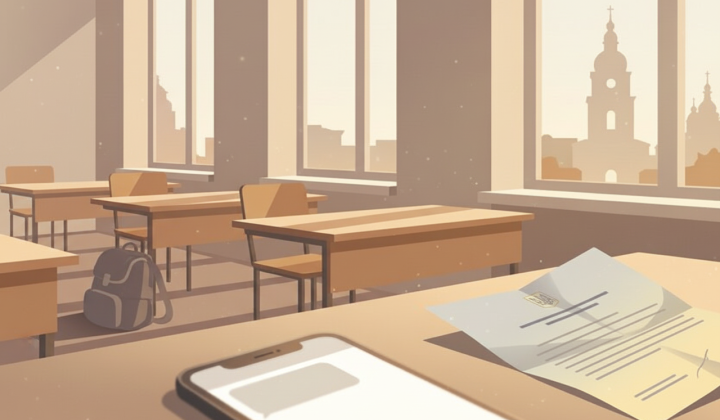
According to ХВИЛЯ: The Ukrainian government has enacted Decree No. 241, establishing new rules for student school absences. This policy shift is part of ongoing efforts to formalize educational procedures during a period of national disruption. Notably, the decree does not provide a definitive list of valid excuses for a child's absence, leaving this judgment to the discretion of the homeroom teacher or school principal. The lack of a specified format for notifying the school about an absence has also raised concerns.
Evaluating Reasons for Absence
Under the new regulations, the decision on whether a child's reason for being absent is valid rests solely with the assessment of the homeroom teacher or school director. Olena Parfionova pointed out that
“the decree lacks a clear list of valid reasons, meaning in practice the decision depends on the evaluation of the homeroom teacher or principal.”
This approach could lead to ambiguity and subjective judgments when evaluating student absences.
Furthermore, the decree does not clearly define the required format for reporting a child's absence. Parents are advised to:
- send notifications via Viber or Telegram;
- keep documentary proof, such as a medical certificate, written statement, or other official documents.
Experts recommend that any notification leave a documented trail, for example, via SMS, email, or a formal written statement.
Simultaneously, it is important to consider that demands for details about a family's situation may conflict with protections under the Constitution of Ukraine, specifically Article 32, which prohibits interference in personal and family life, and Article 182 of the Criminal Code, which establishes liability for the unlawful collection of data on personal and family life. This raises questions about the legality of requiring parents to provide details about their private affairs.
The adoption of this decree has caused concern among parents and educators, as the absence of clear criteria may lead to inconsistent decisions and potential infringements of civil rights. It is anticipated that further discussion and possible amendments to the decree will help resolve the uncertainty and ensure proper protection for the rights of students and their families. It is crucial that the new norms not only regulate attendance matters but also adhere to the human rights and fundamental freedoms enshrined in Ukrainian law.

Read also