The Number of Christmas Trees in Ukraine is Decreasing: Why Plantations and Demand are Shrinking

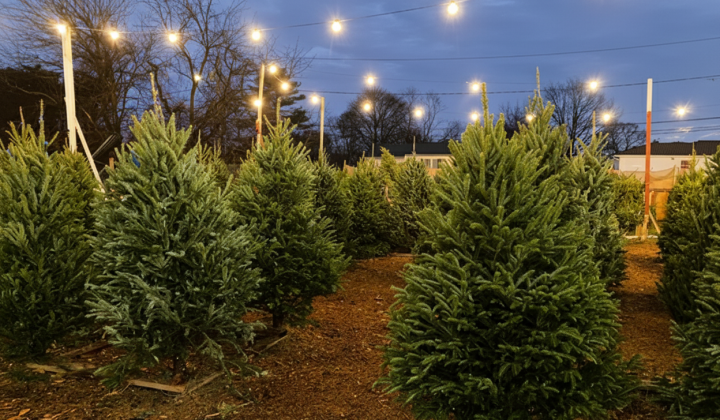
The State of Christmas Trees in Ukraine
According to Главком: The number of Christmas trees in Ukraine is decreasing due to the war and changing environmental preferences. Forestry enterprises have planned to sell 991 thousand Christmas trees, which is 8% less than last year. The actual demand for Christmas trees is also decreasing: as of mid-December 2025, only 39.9 thousand trees have been sold, which is 11% less compared to last year. Overall, in the 2024-2025 season, sales fell by 38% compared to the previous year, and compared to the 2022-2023 season, sales have decreased by almost a quarter.
Regional Features and Statistics
Vinnytsia prepared 187 thousand trees, which accounts for 19% of the market, while Zhytomyr prepared 142 thousand trees, or 14% of the market. In Zhytomyr region, 640 hectares of land have been allocated for growing coniferous trees. The total area of plantations in Ukraine is 2753.5 hectares, which is 35% less than in 2021. In the Ivano-Frankivsk region, the area of plantations decreased from 9.6 hectares to 1.7 hectares. The number of trees in nurseries has decreased from 12.4 million in 2021 to 7.8 million now.
As of early December 2025, 34 cases of poaching have been reported in Ukraine, whereas last season 328 cases were discovered. In this regard, in Kyiv, collection points for Christmas coniferous trees will operate from January 2 to 31. The reduction of plantations and demand for Christmas trees indicates changes in consumer behavior and the environmental awareness of the population.
The decline in demand for Christmas trees in Ukraine may indicate more serious environmental changes that affect traditional views of celebration.
The reduction of plantation areas and changes in consumer behavior may be linked to the awareness of the consequences of deforestation and the impact of war on the overall economic situation in the country. In such conditions, it is important to maintain ecological balance and support initiatives that contribute to the conservation of natural resources.

Read also