Ukraine's 2026 Foreign Money Transfer Restrictions: Banned Destinations


Ukraine's International Transfer Rules for 2026
According to ХВИЛЯ: PrivatBank has reiterated the international money transfer restrictions that will apply from Ukraine in 2026. These include a complete ban on transfers to a specific list of countries and territories, alongside a monthly cap of 100,000 hryvnias for sending funds abroad. These controls remain in place due to Ukraine's unique foreign exchange regulations, which are designed to manage capital flows during a period of national emergency.
Prohibited Countries and Territories
Specifically, all money transfers from Ukraine are entirely prohibited to the following states:
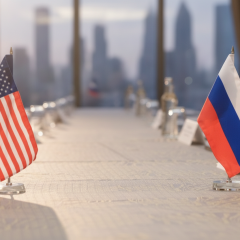
- The Russian Federation
- Iran
- Iraq
- Cuba
- Syria
- Belarus
- North Korea (DPRK)
Furthermore, financial transactions are not processed with territories of unrecognized status, which include:
- Kosovo
- Abkhazia
- South Ossetia
- Transnistria
- The Turkish Republic of Northern Cyprus
- The temporarily occupied Autonomous Republic of Crimea
The monthly limit for an individual to transfer funds to a foreign bank card is set at no more than 100,000 hryvnias. If the transfer is made in another currency, the amount is calculated at the official exchange rate to ensure it does not exceed the hryvnia threshold. Separately, resident individuals are permitted to carry cash out of the country up to 10,000 euros (or equivalent) without a declaration. For amounts exceeding 10,000 euros, a declaration is mandatory, accompanied by documents proving the legitimate origin of the funds.
Consequently, individuals planning to make international transfers from Ukraine must account for these restrictions and adhere to the established rules.
These measures form part of Ukraine's monetary policy, aimed at stabilizing the economy and controlling capital movement amid ongoing external challenges.
They can significantly impact the financial operations of Ukrainians abroad, making awareness of the current rules essential to avoid complications during transactions. Given the ongoing geopolitical context, such controls are likely to remain for the foreseeable future.

Read also