Odesa Theater Faces Four Official Citations Over Russian-Language Signs and Books

Prominent Odesa Theater Lands in High-Profile Language Controversy
According to Главком: Inspectors issued four administrative citations to an Odesa theater following a sweeping compliance check lasting over two and a half hours. The officials found Russian-language signage, banned literature, and violations on social media platforms. The inspection was triggered by three formal complaints filed by citizens.
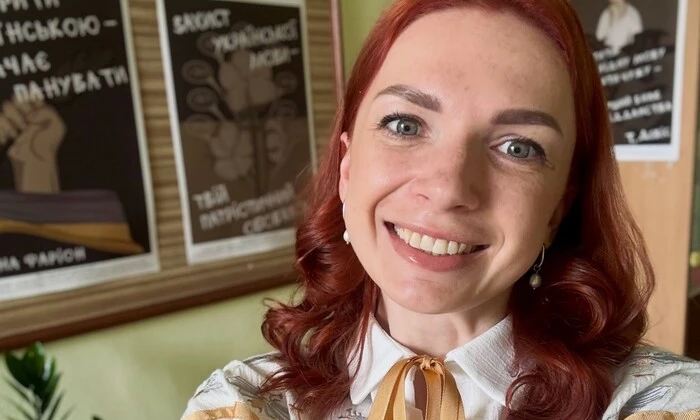
Anna Nerush, a representative of the Commissioner for the Protection of the State Language, led the inspection of the theater. Theater management granted the inspectors unrestricted access to all areas and documentation. As a result, a citation was filed under Article 30 of Ukraine's language law, which penalizes providing services in a non-state language. Evidence shows a theater employee spoke Russian to a visitor, with video footage confirming the incident.
Additionally, the theater's lobby was selling books in a non-state language. Inspectors identified five distinct Russian-language titles, with no Ukrainian-language books available. Under current law, any point selling printed materials must ensure that at least 50% of its inventory consists of state-language books. Theater leadership has pledged to immediately correct this issue by stocking Ukrainian-language copies.
Inside the theater building, inspectors also counted three informational signs for audience members written in Russian. Since this marked the second such violation within a year, staff acted swiftly-removing the signs during the inspection and replacing them with Ukrainian versions. The theater's official social media accounts also fell short, as they had posted Russian-language content, hashtags, and audio in the aggressor country's language. By the time the inspection concluded, administrators had already translated all those posts, according to Anna Nerush.
Repeat Offenses and the Theater's Response
The most troubling aspect is that this was not the theater's first inspection. Several language infractions were recorded as repeat violations within a single year, automatically triggering stricter penalties. For example, in March 2026, the theater was fined a total of 17,000 hryvnias following a state audit. Those penalties covered repeated violations of the language law concerning posters and online presences. The institution received two fines of 8,500 hryvnias each for those offenses.
After the previous inspection, the theater announced plans to boost Ukrainian language use in digital communications and replace its signage. However, the latest check revealed that some issues remained unresolved. It is worth noting that customer service remains one of the most frequent sources of complaints to the language ombudsman. The Secretariat of the Commissioner has repeatedly stressed that an employee switching to Russian without a client's request violates the law.
This situation highlights the importance of adhering to Ukraine's language legislation, especially amid the current political and social climate. The theater's violations point to systemic issues in the service sector that require urgent attention. How the theater responds to these findings may reflect its commitment to language as a key element of national identity.
The situation in Odesa is part of a broader trend across Ukraine, where local authorities are increasingly taking measures against Russian cultural products. For instance, Poltava has recently imposed a ban on Russian cultural goods, reflecting a nationwide effort to reinforce the use of the Ukrainian language and cultural identity. Such actions highlight the growing commitment to uphold language laws and promote national values in various regions.

Read also