60 Seabed Core Samples Retrieved by Oceanologists in Hunt for Rare Metals

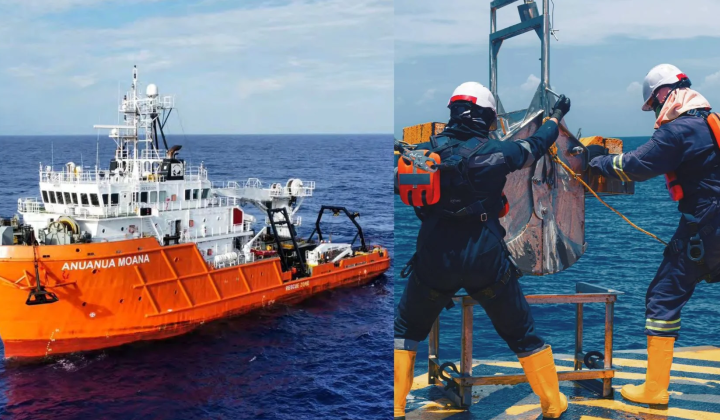
Expedition 7: Unlocking the Secrets of Underwater Mineral Deposits
According to НВ — Техно: On June 25 at 18:00, the research vessel MV Anuanua Moana, operated by American Ocean Minerals (AOMC), successfully retrieved a substantial collection of seabed materials during Expedition 7. The team brought up:
- 60 core samples,
- 62 multicore specimens,
- 4,059 individual material units.
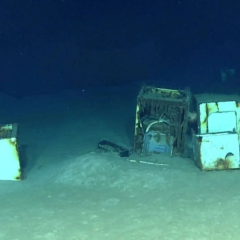
The primary objective of this mission is to analyze polymetallic nodules rich in manganese, nickel, cobalt, and copper, while also conducting environmental assessments ahead of any potential commercial extraction. These nodules are increasingly sought after for use in batteries and green technologies.
Scientists plan a thorough investigation of sediment layers, macrofauna, meiofauna, foraminifera, and environmental DNA. The findings could heavily influence the company’s future operations in this sector. Hans Smith, CEO of Ocean Minerals LLC, noted that Expedition 7 ranks among the most productive baseline seabed campaigns in the entire deep-sea mining industry.
The 60-meter-long research vessel MV Anuanua Moana enables uninterrupted data collection, a critical factor for mission success. As AOMC board chairman Tom Albanese stated,
'having our own ship allows us to gather data consistently without relying on the availability of third-party vessels.'
Environmental Impact Assessment and Future Outlook
The study’s outcomes will form the basis for an Environmental Impact Report, scheduled for submission in the first half of 2027. The expedition’s initial plan included 45 priority sites, highlighting the company’s rigorous approach to evaluating potential seabed resources.
This mission underscores the growing push for underwater resource extraction, driven by rising global demand for metals like cobalt and nickel amid the renewable energy transition. Assessing the ecological consequences of deep-sea mining is becoming increasingly critical given the potential disruption to marine ecosystems. The results of Expedition 7 could significantly shape regulatory frameworks in this field and attract scrutiny from international environmental organizations.

Read also