In Occupied Luhansk Region, Hydrogen Sulfide Leak and Infrastructure Failures Leave Residents Without Water

A Day in Review
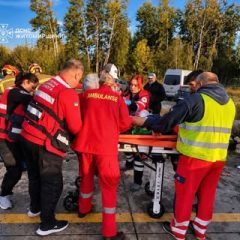
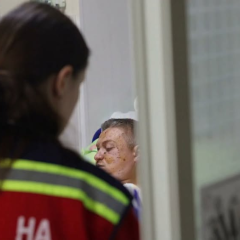
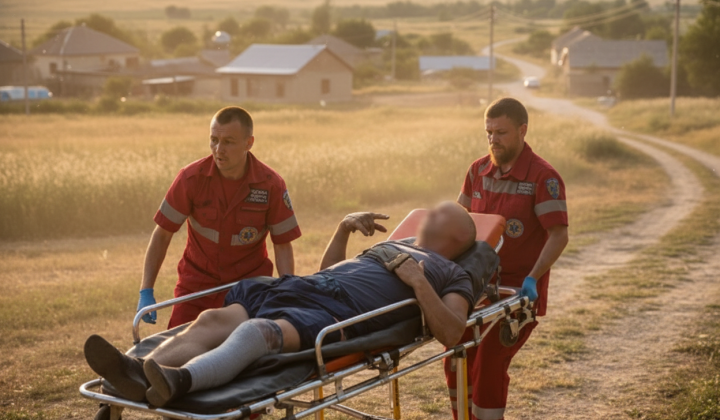
According to Главком: Four people were injured in the occupied part of Luhansk region following a hydrogen sulfide release at a sewage pumping station located on Lutuhinskyi Passage in Luhansk. Two of the victims were workers who were more than seven meters underground when the incident occurred. Rescue teams from the gas and smoke protection service were deployed to extract them.
On the same day, a 49-year-old woman in Alchevsk fell into a three-meter-deep pit, fracturing her leg. This incident highlights ongoing safety concerns across the region.
Water Supply and Infrastructure
The accident at the sewage pumping station also severely disrupted water services:
- In Sukhodilsk, all consumers were left without water.
- In Sorokyne, water supply was reduced by 70%.
Notably, one of the main sewage collectors in the Artemivskyi district was originally built in 1981. Specialists from Russia's Mosvodokanal were brought in to carry out reconstruction work.
The occupation authorities' prosecutor's office has announced an investigation into compliance with occupational safety standards following these events. It is worth noting that over the past five years, military spending has remained the top priority, which may be affecting the condition of infrastructure in the region.
The situation in Luhansk region illustrates serious safety and infrastructure challenges arising from prolonged occupation. Incidents like this not only endanger lives but also expose weaknesses in management and maintenance systems that urgently need repair and modernization. Furthermore, chronic underfunding and a focus on military expenditures are likely contributing to the continued deterioration of living conditions in the area.
The ongoing infrastructure issues in the Luhansk region are not isolated incidents. Recent insights from Ukrainian intelligence reveal underlying causes of utility failures in Russia, shedding light on how military priorities may be exacerbating these challenges. Understanding these dynamics could provide crucial context for the deteriorating living conditions faced by residents in occupied areas.

Read also