One-to-one meeting – what it is and why individual discussions are conducted


A one-to-one meeting is one of the most effective team management tools, allowing the manager and employee to discuss work-related issues in a calm atmosphere, without haste and external interruptions.
In different companies, these meetings have long been a common practice as they help not only to address current tasks but also to build healthy professional relationships. Unlike team meetings, the individual format often provides an opportunity to see the real needs of the employee, identify difficulties in time, prevent burnout, and support development. Such conversations have clear value: they create space for honest dialogue where both parties can speak openly, without fear of being interrupted or unheard.
In modern organizations, one-to-ones are considered not just a corporate formality but an element of a culture of trust and partnership. Thanks to them, there is an opportunity to strengthen mutual understanding, adjust expectations, and create a sense that the employee is not just a 'cog in the machine', but an important part of the team whose opinions matter.
What is a one-to-one meeting?
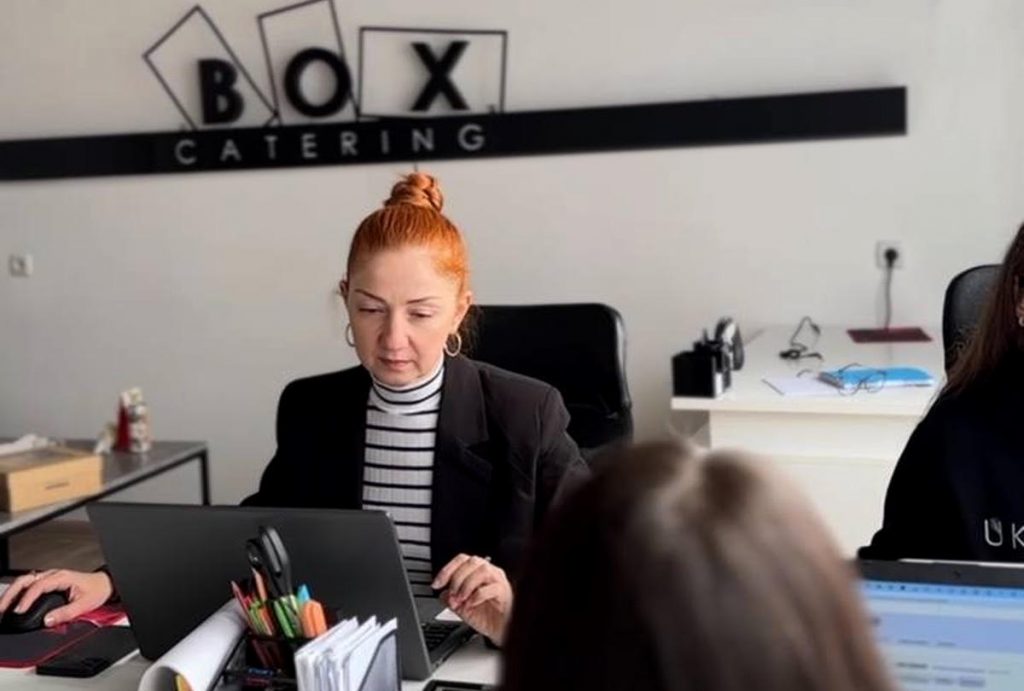
It is worth starting with a kind of theory. A one-to-one is an individual working meeting between a manager and an employee during which professional issues, internal processes, plans, and possible difficulties are discussed. It does not always have a rigid format since its main goal is to provide the person with the opportunity to speak and be heard. The meeting may involve discussing work progress, analyzing recent events, responding to changes in the company, planning professional development, or simply checking in on the employee’s emotional state.
Essentially, a one-to-one is a conversation in which the manager acts not only as a controller but also as a mentor, partner, and support. It is important that such conversations take place in a trusting atmosphere: the employee can share what they do not always voice in a general meeting. This concerns both personal initiatives and arising difficulties, as well as ideas for improving teamwork. Often, it is during individual meetings that hidden problems can be identified which may not be visible on the surface – for example, overload, conflicts, misunderstandings in the team, or demotivation.
One-to-one does not necessarily have to take the form of an official 'results announcement'. In many companies, they are conducted in an informal conversation format: one can drink coffee, walk around the office, or communicate online if the team works remotely. The main thing is sincerity and openness, rather than strict boundaries. Thus, the meeting turns into a tool that enhances communication and fosters mutual respect.
What are the goals and objectives of one-to-one meetings?

There are several key goals for such meetings, each aimed at improving team interaction and increasing work effectiveness. Here's what it's about:
- The first and most obvious goal is feedback. It is important for the employee to understand how their work is evaluated, what is going well, and what needs improvement. But a one-to-one is not just about feedback from the manager. It is also an opportunity for the employee to share their vision of processes, express suggestions, and bring attention to what may hinder productivity.
- The second important goal is development. Meetings can discuss career plans, training, new skills the employee wants to acquire, or potential projects that will provide them with experience. Sometimes such conversations help identify a new direction, find the right balance of tasks, or uncover potential that is not visible in day-to-day routines.
- The third goal is timely identification of problems. Conflicts, misunderstandings, or overloads can arise in the team, but the employee does not always talk about it in general meetings. An individual conversation opens the possibility to speak out without fear of judgment. This allows for the prevention of burnout and loss of motivation.
- The fourth is building trust. Regular meetings show that the manager cares about the employee’s state. The employee feels supported and understands that they can turn to their manager in case of difficulties. This strengthens the team atmosphere and increases engagement.
Overall, there can be specific tasks in this regard.
How often to conduct one-to-one meetings?
The optimal frequency depends on the specifics of the company, the work format, workload, and the employee's experience level. However, it is generally considered common practice to hold such meetings once every one to two weeks. In some teams where work is very dynamic, one-to-ones may even occur weekly. This allows for quick responses to changes, corrections to plans, and avoidance of accumulated unresolved issues.
For experienced employees or those working on long-term projects, a monthly format can also be effective. It is important that meetings do not turn into a formality, but they should not be too rare either – otherwise, their main value is lost.
If difficulties arise in the team, the frequency should be increased. For example, during onboarding, newcomers require special attention, so one-to-ones may be more frequent to help the person adapt faster and alleviate excessive anxiety. An atmosphere of stability and regularity helps the employee feel in control of the situation and their own progress.
Structure and format of an effective one-to-one meeting

For the meeting to be productive, it is important to have a certain structure. Most often, it includes several logical blocks. Here’s what they talk about:
- The first is the initial stage, where the manager clarifies the employee's well-being, mood, and load level. This is a brief but important phase as it sets the tone for the conversation.
- The second block is discussing current tasks. Here, the focus is on work progress, difficulties, changes in priorities, and the need for resources or assistance. The employee can independently raise issues that they consider important, and the manager can adjust the focus if necessary.
- The third is feedback. The manager highlights strengths, recognizes achievements, and constructively discusses what can be improved. In turn, the employee also has the opportunity to share their views or comments.
- The fourth is development and plans. This involves discussing future goals, learning opportunities, and career steps.
The meeting concludes with a summary and documentation of agreements. It is important for both parties to understand what has been decided and who is responsible for what.
The role of the manager and employee during the meeting
The manager's role is not just to set the topics. They need to create a safe atmosphere where the employee can speak freely. The manager should listen attentively, ask clarifying questions, and maintain a constructive tone. They should not turn the conversation into an interrogation or criticism – on the contrary, it is important to show that the meeting is aimed at shared growth.
The employee also has an active role. They should prepare questions, analyze their results, and honestly discuss difficulties or ideas. It is important to participate in the dialogue rather than wait for the manager to 'lead them by the hand'. The effectiveness largely depends on mutual engagement.
If both sides approach the meeting consciously, it transforms into a development tool rather than a formality.
Common mistakes during one-to-one meetings
The most common mistake is turning the meeting into control or a formal report. If the manager pays attention only to metrics, the employee stops perceiving the meeting as an opportunity to speak openly. Another issue is haste or lack of attention: when the manager simultaneously answers emails, looks at their phone, or shortens the conversation. This breaks trust.
Another mistake is ignoring the employee's initiative. If the manager only speaks, the employee stops expressing ideas and often feels unheard. It is also dangerous to avoid difficult topics: team problems, conflicts, or overloads do not disappear on their own – on the contrary, they worsen.
Employees sometimes also make mistakes: for example, they do not prepare for the meeting or do not articulate their expectations. This makes the dialogue superficial and fails to provide real benefits.
To avoid such situations, it is important to remember: a one-to-one is a two-way communication tool that works only when both parties treat it responsibly and honestly.
Methods for preparing for a one-to-one meeting

Preparation for a one-to-one meeting is as important as the conversation itself. Often, it is this preparation that determines how productive the discussion will be and whether important issues will be addressed. To start, it is advisable to outline a plan – a brief list of topics that both parties want to discuss. The manager should prepare notes on the employee's most recent results, situations requiring clarification, and potential development points. This does not mean the meeting should be too formal, but structured preparation helps avoid a sense of chaos.
The second method is gathering preliminary feedback. Both the manager and employee can thoughtfully consider questions they want to raise. Some companies practice short forms or questionnaires for preparation; however, even a simple list of notes in a document or messenger helps to focus. It is important not only to recall what was not discussed before but also to understand what new changes have occurred since the last meeting: whether workload has increased, motivation has changed, or what challenges have emerged.
The third method is analyzing one’s own emotions and state. Often, feelings accumulate at work: doubts, dissatisfaction, questions about priorities. If these are not reflected upon before the meeting, they may either go unaddressed or, on the contrary, emerge too emotionally. Therefore, it is useful before the one-to-one to ask oneself several questions: what worries me? what do I want to improve? which achievements would I like to mention? This makes the conversation more mature.
It is also useful for the manager to review previous agreements: has what was discussed last time been fulfilled? Is there a need to revise anything? Such preparation shows the employee that their words were not forgotten.
A good practice is to create a separate space for notes where important points to discuss are recorded throughout the week. This helps avoid situations where important thoughts 'slip one’s mind' before the meeting.
How to use the results of the meeting for employee development
A one-to-one does not end when the conversation wraps up. The true value begins when the results of the meeting translate into concrete steps. One of the most important methods is documenting agreements. After the meeting, it is essential to note the key points: what was decided, what tasks were set, who is responsible for what, and the deadlines. This helps avoid 'blurred' outcomes, where after a week both parties remember the agreements differently.
Additionally, the meeting’s results can be the foundation for forming an individual development plan. For example, if the employee has expressed a desire to enhance a particular skill, the manager can suggest a relevant course, offer internal mentoring, or delegate tasks that provide experience. It is vital that development not be theoretical but manifest in real actions.
Another way to use results is regular revisitation of agreements during subsequent meetings. This creates a sense of continuity and allows tracking progress. If the employee struggles with a given task, the manager can assist in viewing the issue from a different angle or adapting the approach. This fosters a culture in which mistakes are perceived not as faults but as growth points.
Results can also serve as an indicator of motivation levels. If the manager notices that, after several meetings, the employee is not progressing, deeper reasons might need to be discussed: perhaps the tasks do not align with their interests, there are underlying difficulties, or additional support is needed. All this fosters long-term development rather than one-off solutions.
For the employee, using the results means taking responsibility. If they record their goals and steps, revisit them, and analyze how agreements are fulfilled, it fosters professional growth. This way, even simple one-to-ones transform into a tool that systematically influences their career path.
Examples of effective practices for conducting one-to-one meetings
Various companies have their own approaches to one-on-one meetings, but several practices have proven effective. The first is the 'silence rule' at the start of the conversation. It involves dedicating a few minutes not to work questions but to establishing emotional contact: briefly discussing general well-being, mood, and highlights from recent days. This helps make the transition from 'work mode' to open dialogue.
The second practice is symmetrical exchange. The manager does not just provide feedback but also asks for it from the employee. In some teams, there is a rule of 'three positives and one development area': both the employee and manager name three strengths of each other and one thing to improve. This balances the dialogue and eases tension.
The third is employing open-ended questions. Instead of asking 'Did you understand everything?', the manager would ask: 'How do you see the next step?', 'What could hinder the successful completion of the task?'. Such questions encourage the employee to analyze and draw their own conclusions.

The fourth practice is creating a 'results memo'. After every meeting, the manager sends a brief summary in chat or a document to ensure both sides have a single source of truth. This reduces misunderstandings and enhances transparency.
The fifth is implementing 'equal' meetings. Some teams occasionally change the format: one of the one-to-ones is led by the employee as the facilitator, while the manager listens. This allows for new perspectives and encourages initiative.
Short ad-hoc syncs are also effective: if important changes occur between regular one-to-ones, the manager and employee can have a quick 10-15 minute check-in. This helps maintain relevance and react swiftly to new circumstances.
Lastly, one of the most valuable practices is consistency. When meetings are held regularly, at a measured pace and without haste, employees start to see them not as formalities but as real support. It is then that one-to-ones become a tool that changes the team culture and makes it more mature, responsible, and development-oriented.

Read also