A Strategic Shift in the War: Russia's Move from Attrition to Urban Annihilation

The Central Role of Urban Life in Ukrainian Identity
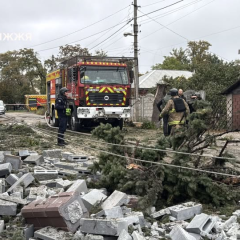
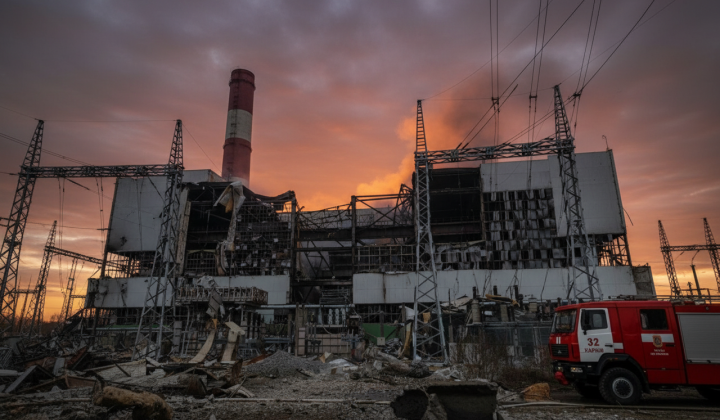
According to ХВИЛЯ: In a recent interview with political analyst Yuriy Romanenko, philosopher Serhiy Datsiuk argued that the past winter marked a decisive turning point in the Russia-Ukraine war. He emphasized that this period saw Russia abandon a strategy of attrition in favor of a new tactic: systematic strikes on the critical infrastructure of cities, a practice that constitutes urbicide-the deliberate destruction of urban life.
Datsiuk pointed out that before the full-scale invasion, 70% of Ukraine's population lived in cities. This statistic underscores how central the urban environment is to the nation's identity and way of life. According to his analysis, destroying these urban spaces eradicates the very foundation of Ukrainian society.
“The city represents the greater part of Ukraine. If the urban space, as the primary Ukrainian way of life, is destroyed, then what the national-patriots want will happen: Ukrainian villages, Ukrainian suburbs of large cities will remain, but the cities themselves as carriers of intellectualism... they will be gone,”
Serhiy Datsiuk
The End of a War of Attrition
The philosopher also stressed that the war of attrition has concluded. “In a city, desolation comes from the absence of people. Not from the absence of buildings, but from the absence of people. The buildings can remain standing. The country becomes such a shell. There is the West, which supplies us with weapons and ammunition. There is logistics, serviced by these shells. But, essentially, the country is gone, because a country is not walls and not towers,” Datsiuk noted. His words reflect the gravity of the situation and the profound challenges Ukraine faces in this prolonged conflict.
Serhiy Datsiuk's commentary highlights the critical importance of urban centers to Ukraine's identity and social fabric. The destruction of cities could lead to fundamental societal changes, as they serve not only as economic and cultural hubs but also as places where public consciousness is formed. This shift in Russian tactics underscores the broader strategic aim of undermining the nation's cohesion. In this context, protecting critical infrastructure becomes paramount for preserving the unity and identity of the Ukrainian people.
As the conflict evolves, understanding the philosophical implications of this war becomes essential. In a related discussion, Serhiy Datsiuk explores the nature of the Ukraine-Russia conflict, framing it not merely as an existential struggle but as a profound transition in societal dynamics. His insights shed light on the shifting narratives and the broader context behind the current strategies employed by Russia, which are reshaping the landscape of urban life in Ukraine.

Read also