Pensions 2026: why military personnel will receive 12.1%, while civilians will receive only 2.4%

The resolution on pension indexing has been adopted
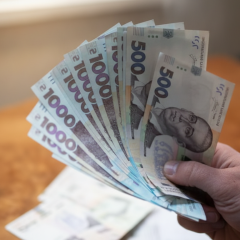
According to ХВИЛЯ: On February 25, 2026, the Cabinet of Ministers of Ukraine adopted Resolution No. 236, which established different coefficients for pension indexing for military personnel, civil servants, and civilian pensioners. According to the new rules, military personnel, civil servants, and other special pensioners will receive an indexing coefficient of 12.1%. This means that a military pensioner who retired in 2025 will also receive an increase of this percentage.
The situation with civilian pensioners
In turn, civilian pensioners who retired in 2021-2025 will receive indexing coefficients ranging from 6.1% to 2.4%. For example, a civilian pensioner who retired in 2025 will receive an increase of only 2.4%.
This situation has raised concerns among civilian pensioners. Ivan Khomych, an expert in pension provision, commented:
“Indexation for special pensioners is carried out correctly. For civilians - for some reason, it is not.” - Ivan Khomych
He also noted that such practice is 'illegal, unfair,' pointing to discrimination by the type of pension.
Pensions that are increased by the full coefficient (12.1%) are regulated by legislation on pension provision for military personnel, public service, the status of people's deputies, and scientific activity. Meanwhile, pensions that are indexed at lower rates relate to legislation on mandatory state pension insurance, which covers pensions for old age, disability, and loss of breadwinner.
The new rules for pension indexing reflect a complex situation in the field of social security in Ukraine, where different categories of pensioners receive different conditions. This may lead to further social tension, as civilian pensioners feel discriminated against compared to special pensioners. Government decisions in this area can have significant consequences for society, particularly regarding social justice and trust in state institutions.

Read also