Ukraine will switch to winter time on October 26: why refusal is impossible

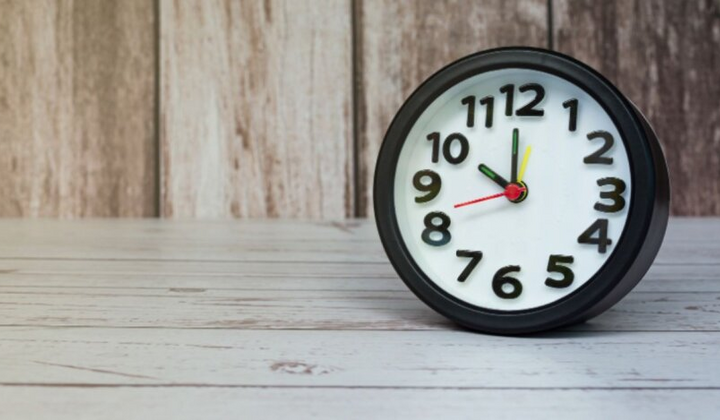
According to hvylya.net: The idea of changing clocks was first proposed by Benjamin Franklin in 1784. Later, this practice spread to other countries, including Germany, where the first attempt to change time occurred during World War I.
Despite the hopes of Ukrainians to permanently end seasonal clock changes, this fall it will again be necessary to adjust the time. The final decision regarding the cancellation of this practice remains an open question, although the global trend is moving towards abandoning this tradition.
In Ukraine, clock changes were introduced in 1981 to save energy and increase daylight hours.
The Ukrainian parliament supported a bill last year to stop seasonal transitions between summer and winter time, but the president did not sign it. Therefore, on October 26, 2025, Ukrainians will again switch their clocks to winter time.
Global statistics show that only 29% of countries in the world practice time changes, and Ukraine remains among those who use this system.
Research has shown varying effects of clock changes on the health of the population. For example, the transition to summer time can increase the risk of heart attacks by 10%, while the transition to winter time reduces that risk by the same percentage. There are also studies confirming the positive impact of time changes on overall mortality at different times of the year.
In Europe, discussions are also ongoing regarding the abolition of clock changes, but these plans have not yet been realized. MEPs remind about the negative impact of this practice on the health of citizens and call for changes in the clock changing system.
In Ukrainian society, the question of clock changes and their impact on citizens' health remains relevant. Although the decision to abolish this practice has not yet been made, research shows that it can have significant consequences for both the physical condition of people and the overall rhythm of public life.

Read also