Train Delays Reach Up to 10 Hours After Russian Attack on Kyiv Region

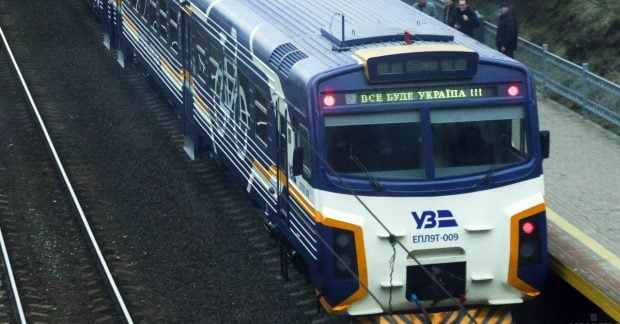
Attack on Kyiv Region on July 6
According to УНІАН — Туризм: A Russian strike on July 6 in the Kyiv region prompted Ukraine’s State Emergency Service (SES) to restrict train movements on certain railway sections for safety reasons. In response, Ukrainian Railways (Ukrzaliznytsia) activated reserve detour routes to maintain passenger service. This incident is part of the ongoing conflict in Ukraine, which continues to disrupt critical infrastructure and transportation networks.
Train Movement Restrictions
The restrictions affect several trains, including:
- Train No. 93 Kharkiv – Kholm
- Train No. 134 Kamianets-Podilskyi – Kyiv
- Train No. 94 Kholm – Kharkiv
- Train No. 43 Dnipro – Ivano-Frankivsk
- Train No. 104 Lviv – Lozova
Suburban services on the Fastiv route have also faced disruptions. To ease the situation, shuttle bus service has been arranged between Boiarka and Kyiv in cooperation with the Kyiv Regional State Administration. As railway officials stated, 'together with the Kyiv Regional State Administration, we are organizing buses to provide shuttle connections between Boiarka and Kyiv.'
Despite efforts to repair damaged infrastructure, train delays remain severe, ranging from 8 to 10 hours. Specifically, Train No. 49/50 Truskavets – Kyiv-Pasazhyrskyi is delayed by 9 hours and 49 minutes, Train No. 85/86 Lviv – Dnipro-Holovnyi by 10 hours and 20 minutes, and Train No. 127/128 Lviv – Zaporizhzhia-1 by 9 hours and 13 minutes. Train No. 23/24 Kholm – Kyiv-Pasazhyrskyi is delayed by 8 hours and 46 minutes, while Train No. 103/104 Lviv – Lozova faces a similar delay. The delays are attributed to the impact of combat operations.
Approximately two dozen teams of power engineers, communications specialists, and track workers have been deployed to restore infrastructure. Following the attack, which caused significant destruction, Kyiv reported seven fatalities and 24 injuries, with 14 people hospitalized, including two children aged 7 and 8. Casualties and one death were also recorded in the Kyiv region. The strikes caused damage in Bucha, Vyshhorod, and Brovary districts, affecting private homes, businesses, and civilian infrastructure.
All key train stops remain in effect, but passengers should expect travel delays, which 'can already be tracked on uz-vezemo - Ukrzaliznytsia.'
This attack is part of the ongoing hostilities in Ukraine and underscores the critical need for transport safety during armed conflict. Train delays and infrastructure damage can have serious consequences for passengers, requiring rapid response and coordination among various government agencies.
The ongoing conflict has led to significant disruptions in train services across Ukraine, as highlighted by a recent incident where a massive attack resulted in extensive delays. As authorities work to restore normalcy, understanding the broader impact of these military actions on transportation can provide crucial context for the current situation.

Read also