Captured Uzbek Fighter Reveals He Cannot Read or Write

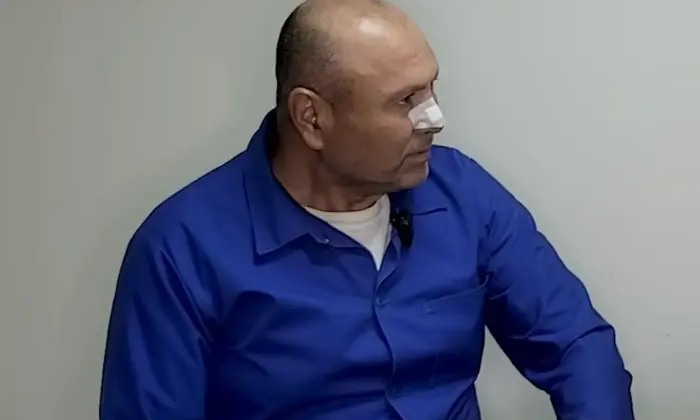
Inside the Story of an Uzbek Prisoner of War
According to Главком: A 53-year-old citizen of Uzbekistan, who fought for the Russian military, was taken captive by Ukrainian forces. He admitted he is illiterate in both Uzbek and Russian, unable to read or write in either language. With only eight years of formal schooling, he worked in construction as a bricklayer, plasterer, and roofer. At the time of his capture, he had five children-three sons and two daughters-who, unlike their father, are literate.
He traveled to Russia seeking work, but police detained him for an expired work permit. When he refused to go to the front lines, he was beaten over several days and then forcibly taken to a military enlistment office. In the days before his capture, he went without food, which ultimately led him to surrender to Ukrainian troops.
“The police said: your documents are expired. They asked: will you go to the front? I said no. Then they treated me a bit, beat me,” the prisoner recounted.
He also spoke about his family: “I have five children-three sons and two daughters. They can write and read. I gave them an education, they studied.”
The Plight of Migrant Workers
This case highlights not only the struggles faced by labor migrants but also the brutality of a military system that forces people into conflicts against their will. Other captives, such as Russian serviceman Artem Mubarakshin, who was also taken prisoner, have endured their own tragedies. After being exchanged and returned to Russia, Artem suffered severe injuries, including a burned face.
Additionally, another Russian soldier named Ilya, who was also captured, witnessed the helplessness of many troops. During a conversation, his mother showed no emotion, reflecting the deep social and psychological toll war takes on military families. Thus, the situation of the Uzbek prisoner is part of a larger picture that reveals the tragic consequences of war for ordinary people caught in the middle of the conflict.
The war in Ukraine continues to have far-reaching effects on many who are not direct combatants but become victims of a system that forces them into battle. The Uzbek prisoner’s story underscores how labor migrants in Russia are targeted for military conscription, raising questions about human rights and the humanitarian dimensions of war. These accounts are crucial for understanding not only individual tragedies but also the broader impact of war on society as a whole.
This situation is not unique, as many soldiers and their families are caught in the turmoil of conflict. For instance, a Ukrainian soldier recently discovered that a captured Russian invader was her own cousin, highlighting the personal tragedies that war inflicts on families. Such stories reveal the complex web of relationships and emotions that intertwine amid the chaos of battle. To learn more about this poignant encounter, read about the unexpected family ties in wartime.

Read also