Drone Strikes Halt Half of Russia’s Largest Diesel Refineries, Forcing Export Cuts

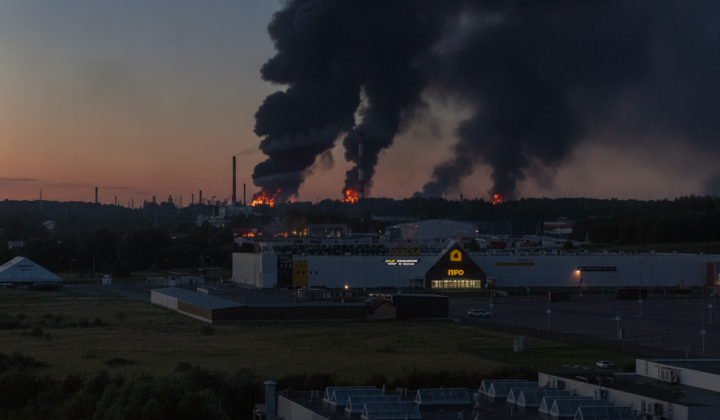
State of Russian Diesel Refineries in September 2026
According to ХВИЛЯ: In September 2026, Russia’s diesel refining industry faced major disruptions due to repeated drone attacks. Half of the country's six largest diesel refineries have either completely shut down or drastically reduced production. These key facilities include:
- Omsk Refinery
- Kirishsky Refinery
- TANECO
- Volgograd Refinery
- NORSI
- Perm Refinery
Together, these plants account for around 50% of Russia’s diesel output. Notably, the Kirishsky Refinery has ceased operations entirely, while Volgograd and NORSI are functioning at only 25% of their capacity. As a result, diesel production at these sites remains significantly below normal levels.
Impact of the Drone Attacks
The drone strike on TANECO on September 13, 2026, is among the most recent, though the full extent of the damage there has yet to be assessed. Due to sustained damage across refineries, Russia has been compelled to curb exports of gasoline, diesel, and jet fuel. According to the International Energy Agency, Russian refineries face drone attacks approximately every three days. In June 2026, Russian diesel exports fell below one million tons, with combined diesel and gasoil shipments totaling about 1.8 million tons-down sharply from roughly 2.5 million tons per month a year earlier.
Turkey and Brazil remain the largest purchasers of Russian diesel, historically accounting for at least half of available shipments before export restrictions were introduced in July. Meanwhile, geopolitical tensions in Iran have further disrupted global fuel supplies. In the United States, diesel prices recently climbed above $6 per gallon for the first time. Former President Donald Trump commented on the situation, stating:
“These attacks have caused a fuel shortage that is hurting the world.”
Kyiv considers Russian refineries legitimate military targets, adding complexity to the ongoing conflict. Following drone strikes, the Ryazan Refinery-which supplies fuel to Moscow-has also halted operations, intensifying the fuel shortage felt on the global market.
This crisis highlights how military confrontations and targeted sabotage can severely undermine a nation’s energy security. Reduced diesel output at vital refineries threatens both domestic fuel availability and export revenues, likely driving up international fuel prices. The situation underscores the critical need for regional stability to ensure reliable energy supplies in the future.
The ongoing challenges faced by Russia's diesel refining sector are mirrored in the gasoline market, where output has dropped to only 70% of current demand following similar drone attacks. This decline underscores the broader implications of the disruptions affecting fuel supply chains. For a detailed analysis of how these strikes are reshaping the country’s fuel production landscape, see our coverage on gasoline production in Russia.

Read also