Ukraine’s Oldest Resident, Olena Rybalko, Who Survived the Holodomor and Aided Insurgents, Has Passed Away

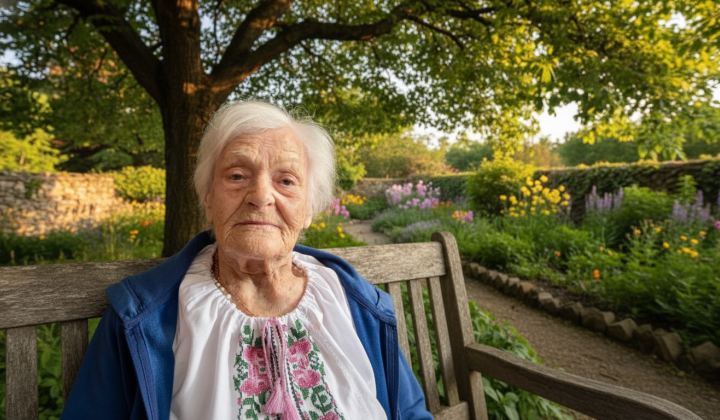
Remembering Olena Rybalko
According to Рубрика — Суспільство: Olena Rybalko, recognized as Ukraine’s oldest living person at 110 years old, has died. She endured the devastating Holodomor famine of 1932–1933, pursued medical training, and dedicated her career to healthcare, secretly providing medicines to the Ukrainian underground and treating wounded insurgents. A farewell ceremony is scheduled for October 12 at the Church of the Dormition of the Blessed Virgin Mary in Lviv, with burial to follow at the family tomb in Yaniv Cemetery.
Born on June 2, 1917, in the Vinnytsia region, Olena Kirylivna Rybalko’s life was marked by resilience and commitment. Her father, Kyrylo Rybalko, was a soldier in the Ukrainian People’s Republic army and a founding figure of the Ukrainian Autocephalous Orthodox Church. Tragically, he was executed in 1937 by an NKVD troika for his church revival efforts. Olena’s mother descended from the Ukrainian branch of the noble Potocki family and passed away during World War II.
Life and Legacy
After World War II, Olena moved to Lviv and began working at the Pustomyty hospital. She covertly aided members of the Ukrainian resistance by supplying medicines and caring for injured insurgents. Among her patients were notable figures such as poet Dmytro Pavlychko, historian Ivan Krypiakevych, and underground Ukrainian Greek Catholic priest Yosyp Kladochnyi.
- Poet Dmytro Pavlychko
- Historian Ivan Krypiakevych
- Underground Ukrainian Greek Catholic priest Yosyp Kladochnyi
Olena also issued false medical certificates to protect Ukrainians from repeated deportations during times of repression. Her family was deeply connected to the resistance movement; her brother Mykhailo Rybalko was a regional leader of the Organization of Ukrainian Nationalists in Nemyriv and hid in a post-war safe house.
Her survival and actions left an indelible mark on Ukraine’s history. Reflecting on the Holodomor, she recalled, “The harvest in 1933 was actually normal. But everywhere, people searched with metal spikes for hidden grain. They would transport those caught to a mass grave at the cemetery by carts, dumping and covering them daily. This continued for a long time until only about a third remained, if even that.”
Olena also shared memories from her student days: “At medical school, we were rationed 200 grams of bread, and we had to stand in line all night. Each person held a number written on their hand.”
The passing of Olena Rybalko is a profound loss for Ukrainian society. Her life story stands as a powerful symbol of endurance and courage.
Her death underscores the importance of honoring those who endured Ukraine’s darkest periods. Olena’s contributions to medicine and her support of the resistance highlight the bravery and self-sacrifice of individuals fighting for freedom and justice. Preserving her memory will play a vital role in educating future generations about the difficult journey of the Ukrainian people in securing their place in history.

Read also