Finnish President Makes Surprising Prediction on Ukraine War Timeline

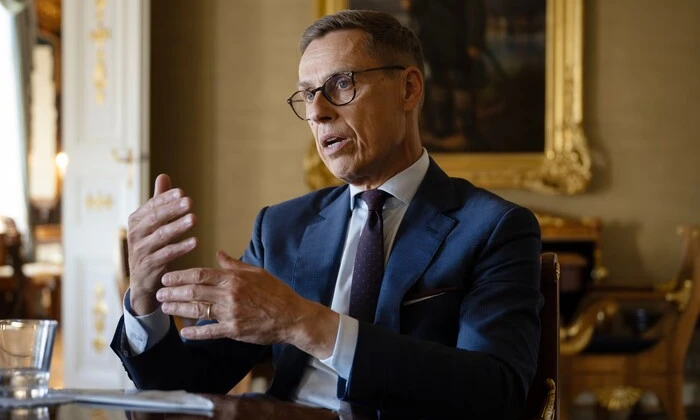
Finnish President's Remarks on the Ukraine Conflict
According to Главком: Alexander Stubb, Finland's head of state, has weighed in on several key issues surrounding Russia's war in Ukraine: how long the fighting might last, whether Russia could attack NATO, the Kremlin's strategic aims, Russia's future trajectory, and Europe's role in any eventual peace talks. Speaking with the newspaper Hufvudstadsbladet, he stated that a quick end to the conflict is unlikely, predicting active combat could continue for at least another three to four months. Stubb emphasized that current frontline conditions offer no reason to expect an early resolution.
The Finnish leader pushed back against warnings from some European politicians and analysts who suggest Russia might strike a NATO country after the Ukraine war ends. In his view, the Kremlin's primary objective is to spread fear and instability across Europe.
'I fundamentally disagree. Russia's goal is to throw Europe and its nations off balance. Part of this hybrid operation is to make Europeans themselves believe in a Russian attack. As president and commander-in-chief, I see no evidence of that.' Alexander Stubb
Stubb also shared his outlook for Russia's future. Even if Moscow loses the war, he argued, it is unlikely to transform into a democratic or open society. He predicted continued international isolation for Russia and a widening economic gap with the world's leading nations.
Notably, Stubb has previously stated that he does not see himself representing Europe in potential talks with Russian President Vladimir Putin. He believes that role should fall to the continent's largest powers-France, Germany, and the United Kingdom-while smaller nations provide behind-the-scenes support.
Why Stubb's Comments Matter Now
The Finnish president's statements highlight the pressing debate over European security amid the Ukraine war and its possible fallout. His position, which diverges from that of some other European leaders, reflects differing assessments of the threat Russia poses. His remarks also underscore the need for major European states to coordinate closely for effective diplomacy, a factor that could shape Europe's future relationship with Moscow.
Stubb's insights highlight the complexities of international diplomacy in the context of the Ukraine conflict. As discussions around leadership in negotiations intensify, it's essential to consider which nations are best positioned to engage with the Kremlin. For a deeper understanding of this dynamic, explore how the Finnish president identifies key players in potential talks with Putin who should take the lead.

Read also