Record Number of Russians Now Want the War to End as Putin Ignores Domestic Crises

Putin’s Response to Ukrainian Strikes and Russia’s Fuel Crisis Under Scrutiny
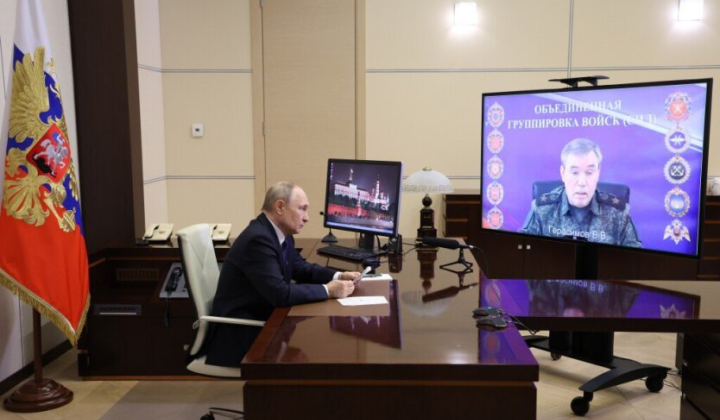
According to ХВИЛЯ: An analysis of Simon Shuster’s column in The Atlantic examines Vladimir Putin’s reaction to Ukrainian attacks, Russia’s fuel crisis, and public sentiment. In his first detailed interview since the start of winter-lasting 19 minutes-Putin focused exclusively on military specifics, sidestepping the country’s internal problems. Meanwhile, a poll by the Institute for Conflict Studies and Analysis of Russia revealed that 81% of citizens want the war to end 'as soon as tomorrow,' while the share of those willing to fight on until victory has dropped to just 9%.
Putin claimed that the Russian army has 'practically blocked the enemy’s mixed group, about 5,000 troops,' adding that only about two kilometers remain before their complete encirclement. However, these figures are not corroborated by other sources. At the same time, Russia’s military is suffering heavy losses, with at least 30,000 soldiers killed or seriously wounded each month. Putin made no mention of mobilization plans or the possibility of peace, instead reiterating the goal of capturing all of 'Novorossiya.'
Critical Fuel Shortages and Shifting Public Mood
The severe fuel situation has also become a topic of discussion. Social media is flooded with images of long lines at Moscow gas stations and trucks stranded without fuel on roadsides. One resident of a capital suburb remarked:
“There’s no gasoline in the city. And TV is silent about it.”
This highlights how internal resource-related problems are being ignored in official statements. Putin appeared bored with topics of governance but became animated as soon as the conversation turned to war. As one businessman who attends Kremlin meetings noted:
“It was his passion. Nothing else interested him as much.”
The article’s author emphasizes that Putin’s obsession with front-line details has 'crossed the line and turned into delusion.'
It is worth noting that recruitment bonuses for new soldiers can reach up to $80,000, while the average lifespan on the front line is just two to three weeks. Putin last announced a mass draft in September 2022, when 300,000 people were called up. Toward the end of the interview, a military blogger observed: 'This autumn, it will be either peace or mobilization.'
This situation points to growing discontent among Russia’s population over the continuation of hostilities, as well as serious economic challenges the country is facing as a result of the conflict. Although Putin projects confidence in military achievements, he tries to avoid discussing internal pressures, which may signal concern over rising strain on his leadership. In this context, the question of peace or mobilization is becoming increasingly urgent, as societal moods could shape the Kremlin’s strategic decisions.
As public discontent grows, the perception of Putin's leadership is increasingly under scrutiny. Many Russians are beginning to feel the impact of the ongoing conflict on their daily lives, leading to a noticeable shift in their support for the war. For a deeper understanding of how the war's consequences are reshaping Putin's strongman image, read more about the changing sentiments among the populace here.

Read also