Amazon’s Elusive 'Ghost Dog' Captured in Unprecedented Numbers for the First Time

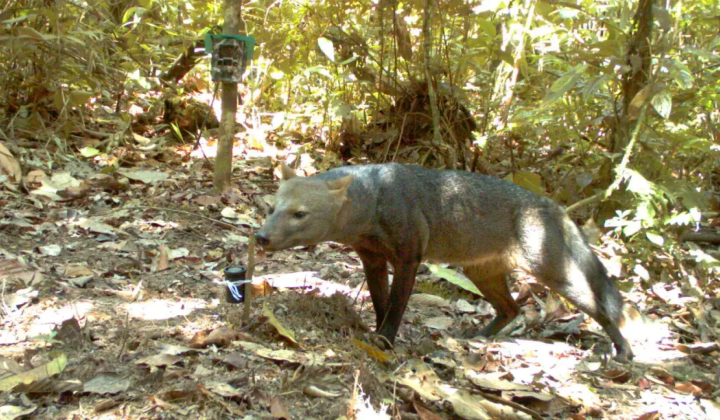
Breakthrough Study on the Short-Eared Dog
According to НВ — Техно: June 16, 11:00 PM
A major field study on the short-eared dog (Atelocynus microtis), carried out across Bolivia and southeastern Peru, has shed new light on the life of this rare canid. Over the course of the research, scientists gathered 500 records of the species and analyzed 594 independent camera-trap activations. These devices captured a total of 4,635 images of the animal, enabling a detailed look at its behavior.
Key Findings from the Research
The data revealed that 72% of the short-eared dog’s activity occurs during daylight, with peak movement between 6:00 AM and 12:00 PM. This creature is found exclusively in forested areas, particularly in pristine habitats like terra firme-elevated zones far from rivers. Higher relative population densities were recorded inside national reserves and at the intersection of protected areas with Indigenous territories. In contrast, the animal was never detected outside conservation zones.
Before this study, only a handful of confirmed sightings and four museum specimens existed for Bolivia. The species is also known as the 'ghost dog.' To lure the animals into camera range, researchers used perfumes such as Chanel No. 5 and Calvin Klein Obsession.
The study authors emphasized that the most critical conservation strategy is protecting the Amazon forest canopy through the creation and effective management of protected areas, combined with sustainable governance by Indigenous peoples.
This research is vital for understanding the ecology and behavior of the short-eared dog, as well as for designing effective conservation plans. The species’ heavy reliance on protected zones underscores the urgent need to safeguard these areas, which can in turn boost biodiversity preservation across the region. Because the short-eared dog serves as an indicator species for forest ecosystem health, tracking its presence offers a valuable measure of overall environmental well-being.

Read also