Both the U.S. and Russia Are Stuck in Protracted Wars After Underestimating Their Opponents

Underestimating the Enemy
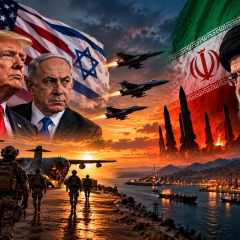
According to ХВИЛЯ: According to analysts from The New York Times and other sources, both Russia and the United States miscalculated the strength and resolve of their adversaries-Ukraine and Iran-and have become mired in prolonged conflicts. These wars drag on due to the unrealistic demands of leaders Vladimir Putin and Donald Trump, as well as strategic blunders that have led to stalemates.
In an article by Neil MacFarquhar for The New York Times, it is argued that both nations launched wars against opponents they had fundamentally underestimated. Weaker players like Ukraine and Iran effectively lured their more powerful foes into traps. The root of the problem lies in the fact that both Putin and Trump initiated military actions with a poor understanding of the situation on the other side.
'Both projected their own centralized vision of their role onto Iran and Ukraine, so they thought: if you decapitate the system, it will collapse.' Fiona Hill, international relations expert
Modern Challenges and Consequences
Although the military campaigns have been devastating, they have not achieved the desired outcomes. Both conflicts are further prolonged by the excessive demands of their leaders. Putin refuses to back down from maximalist conditions, including claims to territories his army has failed to capture. At the same time, Trump has been rewriting agreements already finalized with mediators. 'You did not expect full-scale resistance from Ukraine and did not foresee that things would go this far,' Zelensky wrote in an open letter to Putin.
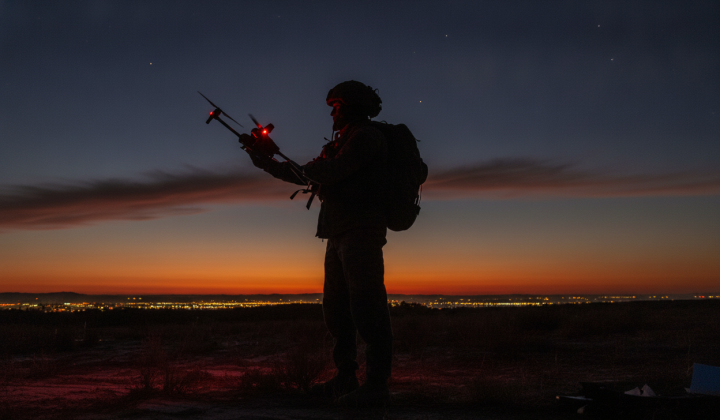
Iran, for its part, has almost no external support and, according to analysts, is more inclined to negotiate than Ukraine, which halted the Russian advance by ramping up production of a new generation of drones. Washington has shown no willingness to deploy troops to Iran, despite warnings about the potential closure of the Strait of Hormuz.
'The deadlock in Ukraine discredits Russia as a global military power. It erodes Putin's aura of invincibility-just as the stalemate in the Persian Gulf undermines the U.S. and Trump.' Fiona Hill, international relations expert
The lack of resolution weakens both the U.S. and Russia and could accelerate a shift toward a more decentralized global order. Military operations, according to Putin, 'will end when we achieve our goals,' but both sides remain locked in prolonged conflict, and the prospect of a peaceful settlement remains uncertain.
This situation underscores the importance of accurately assessing adversaries in international relations, as misperceptions can lead to drawn-out conflicts and serious geopolitical consequences. At the same time, protracted wars can shift the global balance of power, opening the door for new alliances and strategies that will shape future world politics.
As both leaders grapple with the consequences of their military strategies, it's important to explore how their decisions have led to escalating crises. The self-inflicted dilemmas faced by Trump and Putin reveal the deeper implications of underestimating their opponents and the resulting political fallout. This context sheds light on the broader ramifications of their actions and the potential paths forward for both nations.

Read also