Russia's Oil Revenue Hits Record High Amid Sanction Easing, Earning Billions

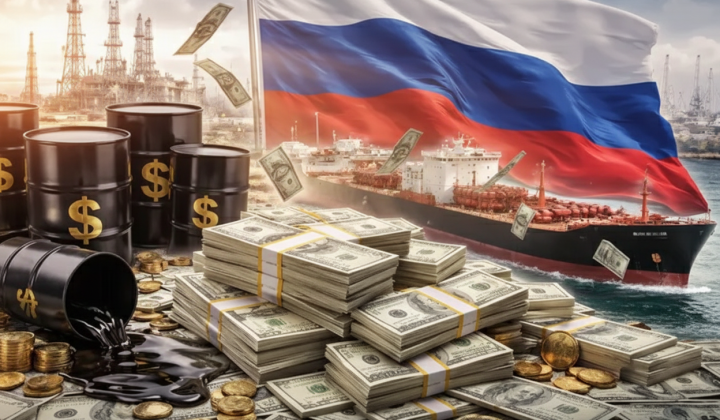
Russia's Oil Sales Revenue
According to Главком: U.S. Treasury Secretary Scott Bessent has stated that Russia earned approximately $2 billion from oil sales during a temporary easing of sanctions. However, estimates from the U.S. Treasury and The New York Times differ significantly. According to The New York Times, Russia may have been generating over $100 million in additional daily revenue during this period, with April's total oil income potentially reaching at least $12.8 billion. This surge highlights the complex dynamics of global energy markets under sanctions regimes.
Factors Driving Revenue Growth
Russia's revenue from oil exports has climbed to its highest level since June 2022. This growth was fueled by a combination of rising global prices and increased supply volumes. The war in the Middle East also triggered a sharp spike in world oil prices, boosting demand for Russian crude. Iran's effective blockade of the Strait of Hormuz, a chokepoint for over 12 million barrels of oil daily from the Persian Gulf, further tightened the market.
Scott Bessent noted: 'These barrels were going to China anyway. We were helping to stabilize the oil price.'
The United States does not plan to renew licenses for the sale of Russian and Iranian oil, a move that could significantly impact the future development of the oil market. This situation underscores the intricate interplay of political and economic factors on the global stage, where sanction policies and energy security are deeply intertwined.
The increase in Russia's export earnings, occurring within a window of relaxed sanctions, presents new challenges for the international community and could influence future sanction strategies. Meanwhile, the U.S. stance on oil sale licenses signals an intent to maintain pressure on Russia and Iran, which may lead to shifts in global oil supplies and pricing. Consequently, the evolving situation in the oil market will remain a key focus for analysts and policymakers worldwide.
The current fluctuations in Russia's oil revenue are closely linked to broader geopolitical developments, particularly as the U.S. has decided to end its sanctions waiver for Iranian oil. This shift not only affects the dynamics of the global oil market but also raises questions about future pricing and supply stability. Understanding these implications is crucial for grasping the intricate relationships between sanctions, energy security, and international trade. For more insights on how these changes might impact market strategies, see our detailed analysis on the end of the sanctions waiver for Iranian oil.

Read also