Russia struck civilian infrastructure: 4 dead, rescuers mitigate the consequences

Shelling in Ukraine: consequences and reaction
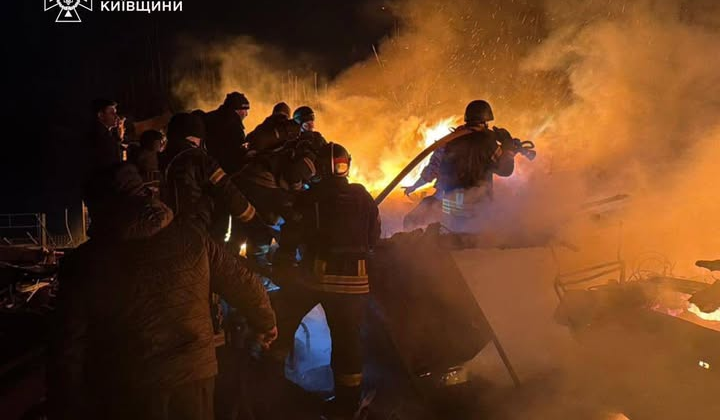
During the night, Russian shelling struck civilian and critical infrastructure in Ukraine, particularly in Kyiv, Lviv, Kyiv region, Kirovohrad region, and Cherkasy. As a result of the attacks, 4 people were killed and 25 injured. The State Emergency Service rescuers are actively working to eliminate the consequences of the attacks, involving nearly 500 rescuers and 100 units of equipment.
Impact of shelling on Kyiv
In the capital of Ukraine, Kyiv, 40 facilities were damaged, of which 20 are residential buildings. A medical worker was killed in the Darnytskyi district, and among those injured were 5 rescuers, 4 medical workers, and 1 police officer. In the Dniprovskiy district, the bodies of 3 people were found, two of whom have already been identified. As of this moment, the death of 4 people has been confirmed in Kyiv, and at least 25 people have been injured.
The shelling affected almost all districts of the Kyiv region. SES employees have already rescued 40 people across the country. The Minister of Internal Affairs of Ukraine, Ihor Klymenko, noted that this is a deliberate strike on emergency services and humanity. He also called for support for those working to restore heat and light in homes:
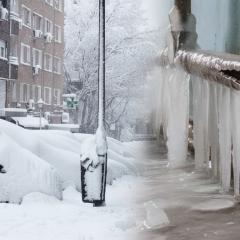
“Thousands of people across the country are currently working to restore heat and light in our homes. They need our support.”
This series of shelling highlights the ongoing threat to civilians in Ukraine and critical infrastructure, which becomes a target in the context of military conflict. The importance of supporting rescue services and medical workers who risk their lives to help the affected is a relevant topic in a society going through difficult times. The current situation requires efforts not only from the state but also active participation from the public in rebuilding the affected regions.

Read also