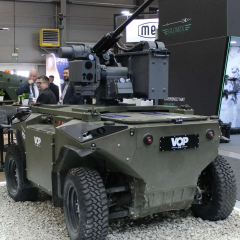
CSIS Study Reveals Russia Outpacing NATO in Drone and AI Warfare

How Russia’s Military Is Being Transformed
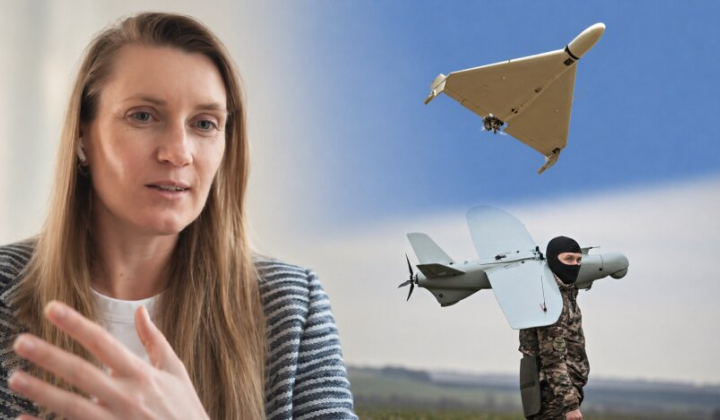
According to ХВИЛЯ: In a recent episode of the Decoding Geopolitics podcast, Kateryna Bondar, a researcher at the Center for Strategic and International Studies (CSIS), presented a report detailing the transformation of the Russian military. The armed forces are increasingly prioritizing drones, autonomous weapons systems, and artificial intelligence. Russia has made this shift a national priority by centralizing production and achieving faster technology iteration cycles than NATO, even as long-standing issues like bureaucracy and corruption persist.
Under a presidential decree, Russia aims to bring one million people into the unmanned systems industry by 2030. The plan also calls for 95% of businesses and industrial sectors to be ready for AI integration, with around 115,000 specialists trained in this field each year. The company Zala, originally a private venture producing civilian drones, is now part of the Kalashnikov Concern and manufactures some of Russia’s top loitering munitions and reconnaissance systems.
Technology’s Impact on Military Strategy
Russia faces no regulatory restrictions on fully autonomous weapons systems, giving it freedom to aggressively develop new technologies. For instance, the Russian version of the Shahed/Geran drone has undergone over 30 iterations. In Ukraine, meanwhile, 800 to 1,500 companies are now producing unmanned systems, with Ukrainian forces using 400 different drone types each month. Russian Defense Minister Andrey Belousov stated:
'We are perfectly fine with garage-level innovation. We just need to find the best systems and then scale them up.'
Additionally, a power struggle is unfolding within Russia’s military leadership between a new generation of generals and senior commanders, which could shape strategy and the adoption of new technologies. Kateryna Bondar emphasized that
'Russia is far ahead of NATO'
, highlighting the urgency of developments in military technology.
These shifts in the Russian military could significantly alter the global security landscape, particularly the balance of power in Europe. The intensified focus on technologies like drones and AI signals that Russia is actively working to modernize its armed forces. The growing number of drone-manufacturing companies in Ukraine also suggests the conflict may become more technologically driven, influencing the strategies of both sides in future military operations.
As Russia advances in drone and AI technology, understanding the challenges faced by Western defense startups in Ukraine becomes crucial. These startups are grappling with significant obstacles that hinder their success, which contrasts sharply with Russia's aggressive military innovations. To explore the key factors contributing to these difficulties, read more about the struggles of Western defense initiatives.

Read also