Ukrainian Captors Save Russian POW's Arm After His Own Medics Refused Treatment

Medical Care for a Captured Soldier
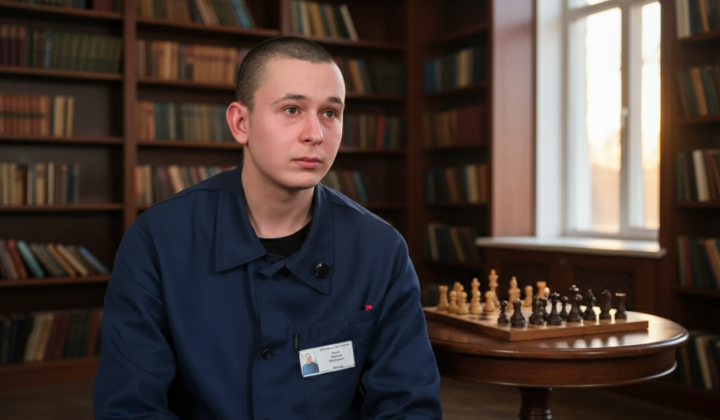
According to Главком: Maxim Gudin, a 22-year-old Russian soldier from Novotroitsk in the Orenburg region, received treatment for a severe arm wound while in Ukrainian captivity. This came after Russian military doctors had refused to operate on him. Gudin served with military unit 87441, part of the 80th Tank Regiment. His injuries began with a minor shrapnel wound, which was later followed by a serious injury to his arm.
From March to July, Gudin was treated at a hospital in Kazan. The official reason given for refusing surgery was a reported heart condition. Instead of undergoing a military medical commission upon returning home, he was sent back to the front lines with an assault unit. During one assault, he was wounded again in the same arm.
Life-Saving Aid from Ukrainian Doctors
After spending several weeks wounded in a trench, Gudin was captured. Ukrainian forces provided him with assistance, which proved to be a lifesaving intervention. With help from the 'Our Exit' movement, he was able to contact his sister to inform her of his condition and also speak to his girlfriend.
Ukrainian medics were ultimately able to save his arm by providing the necessary surgical care. The report also mentions other prisoners of war, including 27-year-old Alexey Biloborodov, who gained over 40 pounds during seven months in captivity, a soldier named Ilya, and an electrician who became lost and ended up at the front.
This situation illustrates not only the hardships faced by soldiers in wartime but also the critical importance of providing medical aid under extreme conditions.
Maxim Gudin's case highlights that even in captivity, essential medical help can be accessed, which can significantly impact the quality of life for military personnel caught in difficult circumstances. It also points to the humanitarian aspects of the conflict, where the provision of medical services remains a vital factor for all involved. The treatment of prisoners of war is governed by international conventions, which mandate humane treatment and necessary medical care.
The challenges faced by soldiers in wartime are often compounded by unexpected circumstances. In a related incident, the discovery of a live grenade in the body of a repatriated soldier has led to the evacuation of a morgue in Chernivtsi, highlighting the ongoing dangers associated with military conflict. This situation underscores the necessity of thorough medical examinations for returning soldiers, as seen in the case of the recent evacuation in Chernivtsi and the critical medical support provided to those injured on the battlefield.

Read also