Post-Putin Russia Faces Major Denazification, Says Legion Member

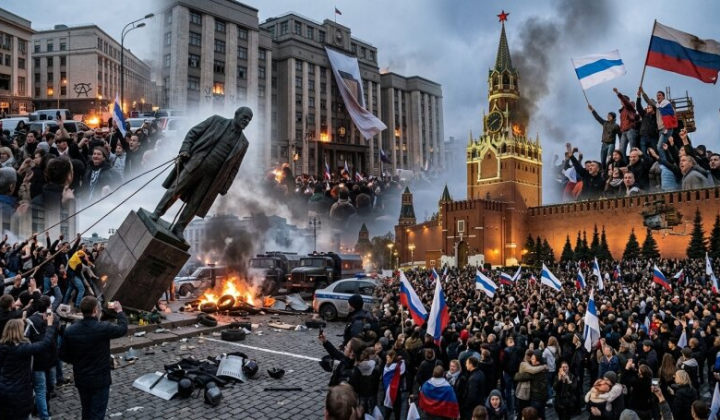
Plans for Large-Scale Denazification and Demilitarization in Russia
According to ХВИЛЯ: In an interview with Yuri Romanenko, Maximilian Andronnikov-a representative of the Freedom of Russia Legion who goes by the call sign Caesar-outlined sweeping denazification and demilitarization plans for Russia after the fall of Putin's regime. According to Andronnikov, the changes go beyond suppressing those loyal to the dictatorship, whom he calls 'Putinoids.' They also include banning state-sponsored hate propaganda and totalitarian ideology, particularly the cult of the Great Patriotic War known as 'pobedobesie.'
Andronnikov emphasized that the Russian people bear maximum responsibility for the country's situation. He noted that Russians first became slaves themselves and then enslaved other peoples within the Russian Federation.
'All Putinoids will have to be crushed-that's an objective reality. We are fighting so that this militaristic nightmare never returns.' Maximilian Andronnikov
Traditional Endurance and a New Government
The spokesperson also pointed out that traditional Russian endurance and adaptability could become positive factors in the future. However, Andronnikov stressed that for people to see real improvements in their lives, any post-Putin government must launch deep de-Putinization processes.
'At first, they won't ask for freedom. Freedom is not an important value to them. They will first ask for bread and justice. And that must be given to them immediately.' Maximilian Andronnikov
Andronnikov's statements reflect the deep socio-political transformations that could occur in Russia after the current regime collapses. His emphasis on Russian responsibility and the need for denazification signals a push for radical societal change. As a result, any new government may bring significant shifts in the country's political landscape, requiring a comprehensive approach to addressing the legacies of the past. This could open the door to new forms of governance and interethnic relations within Russia.
As the prospect of a post-Putin Russia looms, the implications of the ongoing conflict become increasingly significant. The recent analysis highlights how Putin's war against Ukraine may have sealed his fate, serving as a catalyst for the urgent need for systemic change within Russia. Understanding the broader context of these events can provide deeper insights into the potential paths forward for the nation.

Read also