Pink Flamingos Return to Tuzly Lagoons, But Can They Breed in 2025?

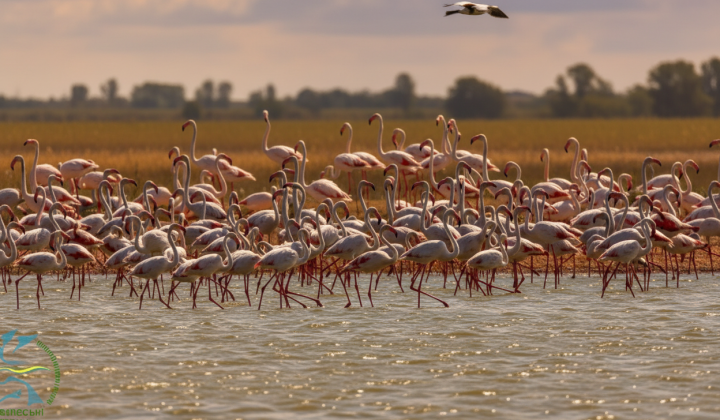
Flamingos Make a Comeback to the Tuzly Lagoons
According to Главком: A flock of pink flamingos has arrived at the Tuzly Lagoons National Nature Park in the Odesa region. The birds are seeking safe areas to live and potentially nest. This park, located in southern Ukraine along the Black Sea coast, is a critical wetland habitat. In 2023, flamingos achieved a major milestone by nesting en masse in the park for the first time, successfully raising approximately 200 chicks.
Ivan Rusev, head of the park's research department and a Doctor of Biological Sciences, confirmed the birds' return. The greater flamingo is a rare migratory visitor to Ukraine. In the wild, these birds typically live for 30–40 years. Flamingos are born with grey feathers; their distinctive pink hue develops from carotenoids found in their primary diet of crustaceans and algae.
Breeding Challenges in 2024 and 2025
The triumph of 2023 gave way to hardship. In 2024, due to the ongoing impact of war and associated disturbance, 400 flamingo nests were destroyed, preventing any successful reproduction. In 2025, the flamingos made several attempts to establish breeding colonies on different lagoons within the park. However, explosions and military activity in the region once again thwarted their efforts to raise young.
Flamingos build distinctive nest cones from mud, with a shallow depression on top. Their remarkable ability to withstand significant fluctuations in temperature and water salinity makes the Odesa region's lagoons a suitable, though currently perilous, environment. The birds' return indicates a degree of adaptation to changing conditions, yet the regional instability casts serious doubt on their future breeding success.
The return of pink flamingos to the Tuzly Lagoons is a positive sign for biodiversity conservation in Ukraine, particularly as natural ecosystems face external pressures like war. Their successful nesting in 2023 demonstrated the park's potential as a vital habitat for these rare birds. However, the future of their reproduction remains under threat due to the ongoing instability in the region.
Ensuring their survival will require dedicated efforts to protect the park and stabilize its ecological conditions.

Read also