U.S. Sanctions Loophole Closes, Ending Russia's $100 Million Daily Oil Windfall

U.S. Closes Loophole on Russian Oil Sanctions
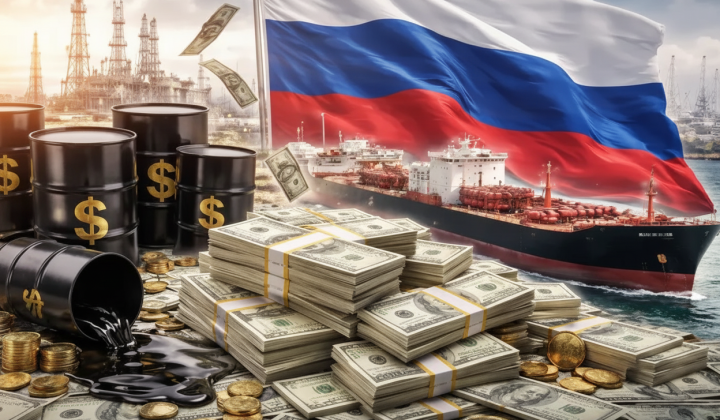
According to Главком: A temporary U.S. sanctions exemption for Russian oil, which had allowed the country to earn substantial revenue, ended on April 11th. This exemption, originally implemented by the Trump administration, permitted the sale of Russian oil that was already at sea when sanctions were imposed. During its application, Russia secured over $100 million in additional daily income, with its April oil tax revenues reaching at least $12.8 billion-double the figure from March. This surge in oil export earnings pushed Russia's income to its highest level since June 2022, partly driven by oil prices exceeding $100 per barrel, a more than 50% increase since late February.
Impact on the Global Oil Market
The closure of this sanctions loophole could significantly reduce Russia's revenue and negatively impact its economy. This development occurs amidst existing instability in the global oil market, which may further complicate the situation. The market is already under strain from the Middle East conflict, which has caused a sharp rise in world oil prices; Iran has effectively blocked the Strait of Hormuz, a chokepoint for over 12 million barrels of oil per day. Consequently, the end of the U.S. exemption could alter global oil supply dynamics and pricing as exporting nations seek new ways to adapt. The interplay of these sanctions and geopolitical tensions creates a volatile environment for global energy security.
As the U.S. sanctions loophole closes, the situation in the global oil market continues to evolve. Recently, Russia has resumed oil exports from Novorossiysk following a drone attack, raising questions about the stability of its supply chains and the potential impact on global prices. Understanding these developments is crucial for grasping the full scope of the changing dynamics in energy markets.

Read also