White House Reaches Agreement with Senator Graham on New Russia Sanctions Bill

Sanctions Against Russia: A Bipartisan Breakthrough
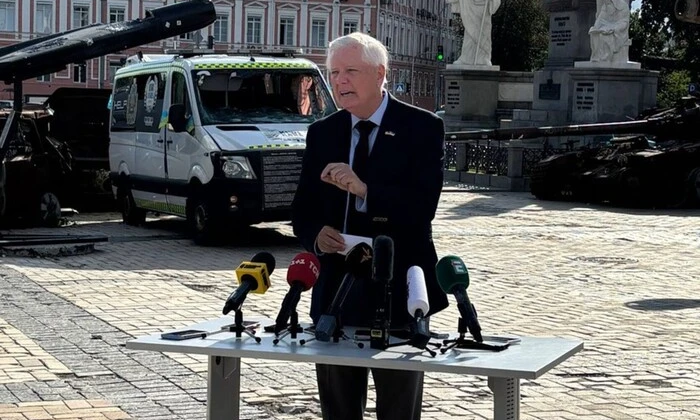
According to Главком: U.S. Senator Lindsey Graham announced that the White House has agreed to support a revised version of a sanctions bill targeting Russia. Speaking at a press conference in Kyiv, Graham revealed that the deal was struck just 30 minutes before his public statement. The proposed legislation would grant President Donald Trump the authority to impose tariffs and sanctions on nations purchasing Russian oil and gas.
The bill, which has 85 co-sponsors, was coordinated with Senators Richard Blumenthal and Jeanne Shaheen. Graham emphasized that its passage would strengthen America's ability to assist Ukraine in countering Russian ballistic missiles. He acknowledged, however, that there is currently limited U.S. support for direct military aid to Ukraine.
NATO Membership and Geopolitical Implications
During the press conference, Graham expressed his desire to see Ukraine join NATO but conceded that he does not expect the United States to back such a move.
“About 30 minutes ago, we reached an agreement with the White House on a version of the Russia sanctions bill that they will support. This means it will become law,”
Graham stated. He underscored the bill's purpose, saying:
“This bill is designed to encourage those buying Russian oil and gas to find alternative sources. The sooner Putin understands this, the sooner countries like China realize that helping Putin comes at a cost, the sooner this war will end.”
Graham also noted that Europe is ready to purchase American weapons and urged continued sales, adding: “We need to collaborate with Ukraine on drone technology for our own interests. This partnership makes America safer.”
The new legislation could significantly reshape relations between the U.S., Russia, and countries that import Russian energy resources. This agreement between the White House and senators signals a U.S. push to intensify pressure on Russia through sanctions that may alter global energy policies. It also highlights the importance of an international coalition in countering Russian aggression, which is critically important amid the ongoing conflict in Ukraine and heightened security tensions in Europe.
As the situation evolves, Graham's call for stronger measures against Russia underscores the urgency of negotiating peace. For a deeper understanding of the implications of these sanctions and their potential to facilitate discussions, read more about the push for enhanced sanctions aimed at prompting negotiations.

Read also