Despite Stricter Rules, Over 630,000 Schengen Visas Issued to Russians in 2025

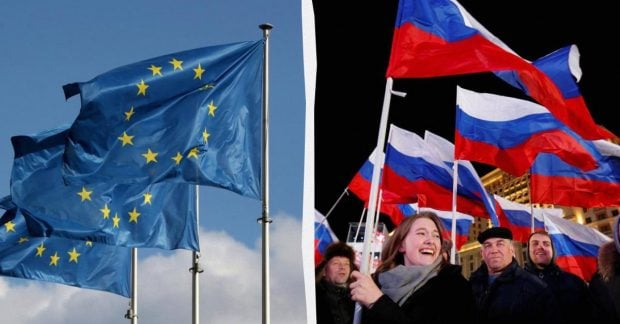
Overview of Schengen Visa Issuance to Russian Citizens in 2025
According to УНІАН — Туризм: In 2025, Schengen countries granted Russian nationals a total of 630,605 short-term visas, marking a 14.1% increase compared to the previous year. Russians submitted 679,425 visa applications overall, with a rejection rate of just 6.38%, which is significantly below the Schengen area’s average refusal rate of 14.6%. Although visa issuance has risen since 2021, it remains far below the pre-pandemic figure of 4.055 million visas granted in 2019.
Top Issuers of Schengen Visas to Russians
The majority of visas issued in 2025 came from four countries:
- Italy: 163,908 visas (26% of the total)
- France: 156,814 visas (24.9%)
- Spain: 124,073 visas
- Greece: 59,054 visas
Together, these nations accounted for nearly 80% of all Schengen visas given to Russian citizens last year. In stark contrast, Finland received only 4,148 applications from Russians in 2025-a dramatic drop from 786,425 applications in 2019. Similarly, visa requests to Estonia, Latvia, and Lithuania plummeted by 99.1%, highlighting a sharp decline in demand for entry through these countries.
The European Union has not imposed a blanket ban on issuing Schengen visas to Russians but has tightened restrictions. Measures include suspending the simplified visa regime, raising consular fees, and enforcing more rigorous background checks. In November 2025, the European Commission further limited the issuance of multiple-entry visas to Russian applicants.
US Secretary of State Marco Rubio praised former President Donald Trump’s partial lifting of sanctions on Russia and the resumption of diesel fuel exports as a "wise" decision.
International responses to sanctions on Russia remain varied. Meanwhile, European Commission President Ursula von der Leyen emphasized that the EU is preparing a new sanctions package and will maintain current restrictions until the conflict in Ukraine is resolved.
The rise in Schengen visa approvals for Russians may indicate a gradual easing of sanction impacts, yet the low refusal rates suggest some countries continue to welcome Russian travelers. At the same time, the tightening of rules and sharp decline in applications in certain states reflect a complex and uneven migration policy shaped by ongoing geopolitical tensions. These developments underscore Europe’s challenging position amid the war in Ukraine and the associated sanctions on Russia.
As the European Union continues to refine its visa policies, the recent tightening of regulations has sparked discussions among member states. Notably, Finland and Estonia are advocating for a total ban on tourist visas for Russian citizens, reflecting a growing sentiment within the region regarding the implications of visa issuance amid geopolitical tensions. This shift could further impact the landscape of travel for Russians seeking entry into Europe.

Read also