Serbia Grants Citizenship to Kadyrov's Nephew: What We Know About the US-Sanctioned Businessman

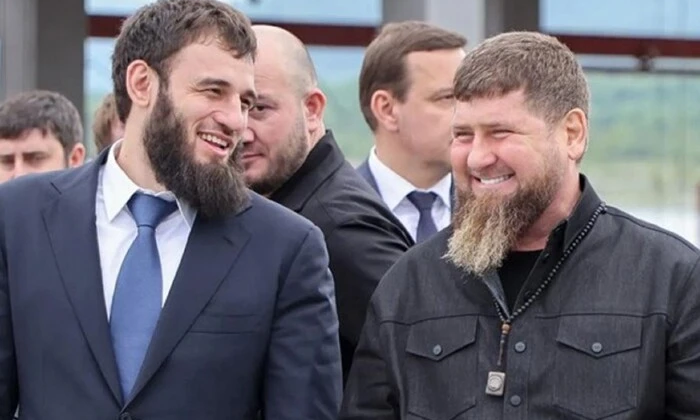
Yakub Zakriyev Granted Serbian Citizenship
According to Главком: Yakub Zakriyev, the nephew of Chechen leader Ramzan Kadyrov, has been granted citizenship by the Serbian government. The decision was made "in the interests of the republic," according to official sources. Zakriyev, who now heads H&N (formerly Danone's Russian subsidiary), is among a growing list of Russian state-affiliated individuals to receive Serbian passports. Since 2022, Serbia has issued more than 200 passports to this category of people.
Zakriyev's Background and Influence
Zakriyev is the son of Kadyrov's biological sister and brings substantial experience in public administration. His past roles include leading the administration of the head and government of Chechnya, serving as mayor of Grozny, and holding the position of minister of agriculture for the republic. After Russian assets of Danone were transferred to the management of Rosimushchestvo in July 2023, Zakriyev became general director of the company "Logika Moloka." He is currently under sanctions imposed by the United States.
Following his takeover of Danone's Russian operations, Zakriyev also became a ruble billionaire. He holds a deposit of 1.5 billion rubles in Gazprombank and owns real estate worth approximately 1 billion rubles in the Millennium Park cottage community. The Serbian passport he received allows visa-free travel to over 100 countries.
- Among the other new Serbian citizens is Ivan Sibiryev, co-owner of the construction firm R-Build, which operates in the occupied Ukrainian cities of Mariupol and Sievierodonetsk.
- Another passport recipient, Sumaid Khalidov, is a well-known Chechen boxer who organized a boxing tournament in honor of Akhmad Kadyrov.
In December 2022, Melitopol Mayor Ivan Fedorov stated that Yakub Zakriyev would serve as overseer of local collaborators in occupied Melitopol. These details highlight Zakriyev's extensive connections and regional influence, as well as Serbia's active policy of granting citizenship to individuals linked to Russian state structures.
Serbia's decision to provide citizenship to people connected with Russian state organs may reflect its strategic interest in strengthening economic and political ties with Russia. It also underscores the importance of regional politics and the influence of Chechen elites on the situation in Ukraine, particularly in occupied territories. Given the international sanctions imposed on some of these individuals, the situation raises concerns about the potential consequences for Serbia's relationships with Western countries.

Read also