Botticelli’s Muse May Have Had a Brain Tumor, AI Analysis Suggests

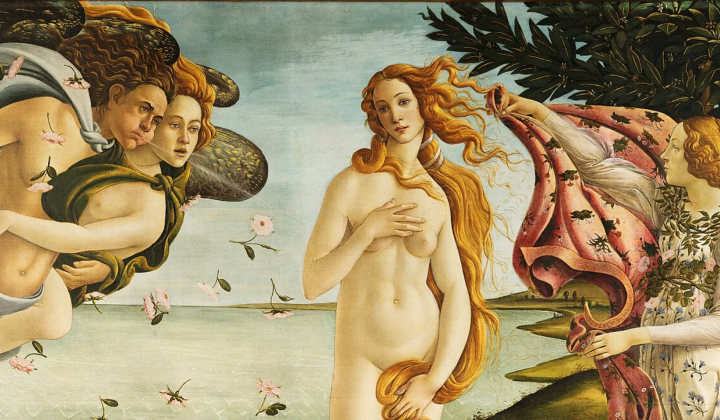
A Fresh Look at Simonetta Vespucci’s Health
According to НВ — Техно: On June 17 at 7:00 PM, researchers from Queen Mary University of London unveiled a groundbreaking theory: Sandro Botticelli’s model, Simonetta Vespucci, may have suffered from a brain tumor. Using a deep learning facial recognition algorithm, the team analyzed five portraits of Vespucci painted by the renowned artist. The computer’s assessment revealed signs of a pituitary adenoma-a benign tumor located near the base of the brain.
How the Tumor May Have Affected Her
According to the study’s findings, the tumor could have pressed on her optic nerves, leading to strabismus, or misalignment of the eyes. One telling example is the painting 'Allegorical Portrait of a Woman,' which depicts lactation despite historical records showing Vespucci never had children. Researchers suspect the tumor may have triggered excessive production of prolactin and growth hormone, causing such physiological changes.
Simonetta Vespucci died at just 23 years old. On the night of her death, she collapsed during a ball. Afterwards, she experienced hallucinations, vomiting, and severe headaches. The official cause was an apoplectic stroke, possibly triggered by rapid tumor growth due to physical exertion or stress. This discovery could reshape how we understand the life and health of this iconic Renaissance muse.
This new theory may significantly impact not only our view of Vespucci’s personal story but also our broader perception of the women who inspired Renaissance artists. It highlights how physical ailments can influence life and creativity, while opening fresh avenues for exploring the medical histories of historical figures.
By leveraging modern technology, this research demonstrates how science and art can merge into powerful tools for deepening our understanding of the past.

Read also