Ukrainian Forces Strike 18 Vessels and a Refinery in Russia Overnight

Blow to Russia's Oil Infrastructure
According to Главком: On the night of July 10, Ukraine's defense forces launched strikes against 18 ships, an oil refinery, a petroleum terminal, and other targets within the Russian Federation. The attack list includes:
- the Ilsky refinery in Krasnodar Krai
- the Kurgannefteprodukt terminal in Taganrog
- the Azovnefteprodukt oil depot in Azov
- the Novatek-Ust-Luga complex in Leningrad Oblast
As a result, 13 tankers, three dry cargo vessels, a ferry, and one auxiliary ship were hit.
Impact on Infrastructure
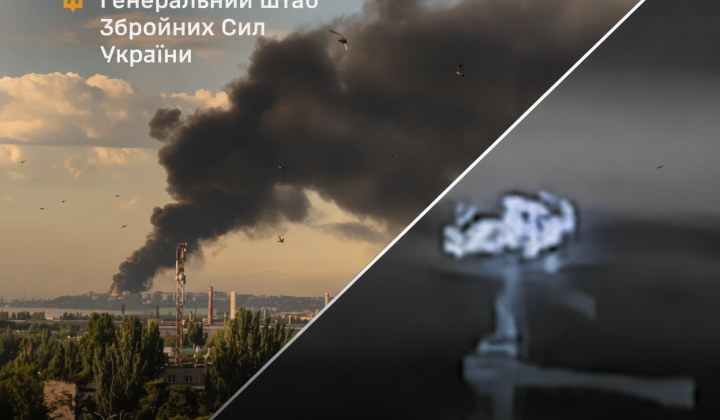
Explosions rocked the Ilsky refinery, sparking a subsequent fire. This facility ranks among the largest refining operations in southern Russia, with a design capacity of up to 6.6 million tons of crude oil annually. According to the General Staff of the Armed Forces of Ukraine, the Ilsky refinery produces gasoline, diesel fuel, and other petroleum products that supply the aggressor state's military logistics.
Strikes also targeted the Kurgannefteprodukt oil terminal, where a fire broke out, and the Azovnefteprodukt depot, which saw explosions and smoke. Additionally, on the same night, a fuel and lubricants storage site near Rozivka in Zaporizhzhia Oblast was hit. Commander of the Unmanned Systems Forces, Robert Brovdi (known as Madyar), stated:
“Ukrainian drones struck 13 vessels from Russia's shadow fleet as they approached temporarily occupied Crimea.” - Robert Brovdi
June 2026 marked one of the most intense months for long-range strikes on Russia's oil infrastructure, with at least 15 oil facilities attacked across the country, from Crimea to Siberia. The General Staff reports that these ships are used to support Russia's military logistics, transporting fuel, lubricants, military cargo, and other materials essential for its armed aggression against Ukraine. These systematic attacks have led to gasoline rationing in more than ten Russian regions.
The strikes on Russia's oil infrastructure underscore Ukraine's strategy of dismantling the logistics chains that sustain Moscow's war effort. Such actions carry severe economic repercussions for Russia, as its dependence on oil and petroleum products is central to funding its military operations. Consequently, reduced fuel availability could hamper Russian military capabilities and worsen domestic social tensions linked to resource shortages.
These recent actions are part of a broader strategy by Ukraine to disrupt Russia's military supply chains. For further insights into how Ukraine is intensifying its long-range offensive capabilities, explore our analysis of Ukraine's deep strikes within Russian territory, which highlights the implications for regional security and military logistics.

Read also