Vitrified Remains: Vesuvius Victim’s Brain Turned to Glass Inside Skull

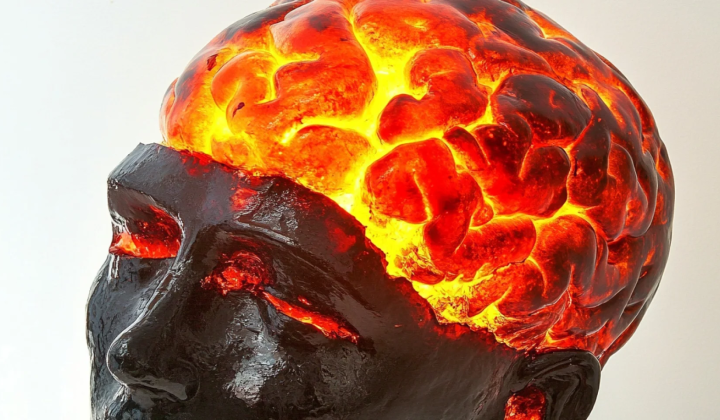
Analysis of a Vesuvius Victim’s Skull Reveals Glassy Substance
According to НВ — Техно: June 26, 08:00
Scientists examining the skull of a victim from the eruption of Mount Vesuvius in Herculaneum have identified a glass-like substance inside as fossilized brain tissue. This transformation occurred due to extreme heat followed by rapid cooling. The remains of a young man were discovered face down on a wooden bed in the Collegium Augustalium building. Fragments of this vitrified material were found within both his skull and spinal column.
Temperature Conditions and Scientific Debate
Research led by volcanologist Guido Giordano at Roma Tre University determined that the tissue was heated to at least 510 degrees Celsius. This temperature exceeds that of the pyroclastic flows that buried Herculaneum, which reached around 465 degrees. The researchers suggest that a superheated ash cloud, with temperatures above 510 degrees, may have caused the brain tissue to vitrify.
A 2023 study reconstructed the sequence of Herculaneum’s destruction, indicating that an initial brief, scorching ash surge struck the city before it was buried by pyroclastic flows. However, forensic anthropologist Alexandra Morton-Hayward from the University of Oxford has expressed skepticism about whether the material is truly brain tissue. Earlier studies identified preserved neurons and proteins within the glass, but the exact nature of this vitreous substance remains a subject of scientific debate.
This research highlights the tragic outcomes of the Vesuvius eruption for Herculaneum’s residents and offers deeper insight into the mechanisms that caused their deaths.
Questions about the identity of the discovered materials persist, underscoring the need for further scientific investigation to precisely determine the consequences of the disaster. Ongoing exploration of this topic may yield new perspectives on how volcanic eruptions impact human life and the environment.

Read also