The United States Reinvents Itself by Stepping Away from Its Role as Global Guardian

Analysis of the Trump Administration's Actions
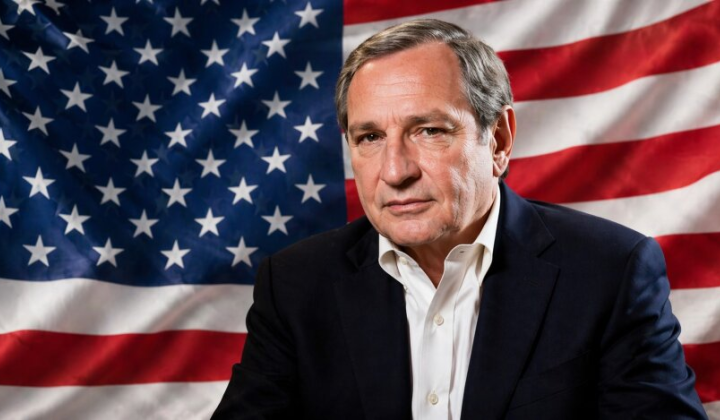
According to ХВИЛЯ: American geopolitical analyst George Friedman, founder of the research firm Geopolitical Futures, interprets the moves of Donald Trump's administration as yet another reinvention of the United States. He draws comparisons between today's era and the 1930s under Franklin Roosevelt, as well as the 1980s when Ronald Reagan was president. Friedman argues that the U.S. is abandoning the role of security guarantor for the free world-a responsibility it took on after 1945. In his view, this shift is tied to Russia's weakness in its war against Ukraine, and he urges European nations to focus on self-defense.
Friedman notes that in the 1930s, Roosevelt closed banks without constitutional backing and attempted to bring the Supreme Court under his control. In the 1980s, Reagan cut taxes for the wealthy. The American geopolitical thinker believes that
“Trump is engaged in the creative destruction of the old and outdated order”
- George Friedman. He points out that Trump is essentially carrying out what left-wing groups in the U.S. demanded during the Vietnam War: ceasing to act as the world's policeman.
Shifts in U.S. Foreign Policy
The key change Friedman identifies is Washington's withdrawal from its role as a global player. He stresses that the United States aims to focus on the Western Hemisphere, leaving Eastern Hemisphere issues behind. The exception, he says, is Iran, due to its nuclear program and support for terrorist groups. Friedman contends that much of the current American political order stems from ongoing internal transformations within the country.
The economic situation in the European Union also merits attention, as its size is only slightly larger than China's. The United Kingdom remains a critically important ally for the U.S., given its strategic position in the Atlantic and its willingness to bear its own defense burdens. The maritime corridor near Cuba, which handles nearly half of all American imports and exports, underscores the region's significance to the United States. A hostile regime on Cuba sits just 90 miles from Florida, making it a potentially dangerous neighbor.
In summary, Friedman concludes that what looks from the outside like a nervous breakdown of the United States is actually another phase in its evolution. America, as an invented nation, has the ability to constantly rebuild itself. The country first breaks old norms and then creates new ones-a process embedded in its cultural identity.
George Friedman's remarks highlight the importance of changes in U.S. foreign policy that could affect not only relations with European allies but also global security. Abandoning the traditional role of security guarantor may create new challenges for countries that relied on American support. It may also push European states to rethink their security and defense strategies in light of emerging threats.
The ongoing shifts in U.S. foreign policy have significant historical parallels, prompting discussions about past geopolitical missteps that reshaped global dynamics. For instance, an analysis of a notable blunder during World War II reveals how critical decisions can alter the course of history. Understanding these events can provide valuable insights into today's geopolitical landscape. Explore more about this pivotal moment in history and its impact on modern strategies.

Read also