US Grants Temporary License for Russian Oil, Potentially Boosting Kremlin Revenue

US Issues Temporary License for Russian Oil Sales
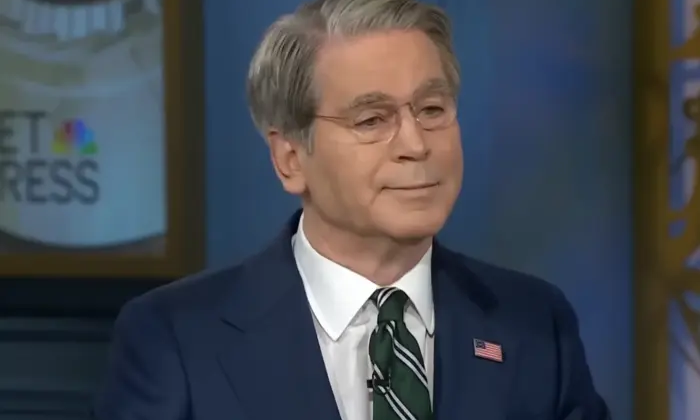
According to Главком: The United States has authorized a temporary license permitting the sale of Russian crude oil and petroleum products. This license, set to expire at midnight Washington time on April 11, applies to cargoes loaded onto tankers since March 12, as well as oil already in transit. This move comes amidst a complex global energy landscape where Western sanctions aim to curb Moscow's war funding while managing market stability. US Treasury Secretary Scott Bessent has estimated that this decision could generate up to $2 billion in additional revenue for Russia.
Analysts further project that Russia could be receiving up to $150 million daily in extra budget income due to rising global energy prices. In addition, Russia has already accrued between $1.3 and $1.9 billion from what is termed an unexpected profit, stemming from oil export taxes.
Market Impact and Buyer Shifts
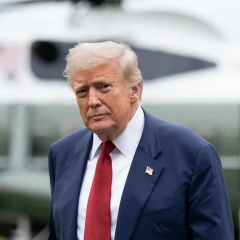
While China purchases approximately 90% of Russian oil, the new license also allows Japan and South Korea to make purchases. The decision to ease sanctions on Russian and Iranian oil was made by former US President Donald Trump. Secretary Bessent commented on the revenue dynamics, stating:
"Will Russia get more money if oil is $150 a barrel and they get 70% of that, or if oil is under $100? So they get less money."
The issuance of this license indicates a degree of flexibility in US sanctions policy, likely influenced by the need to account for volatile global oil market dynamics. With China, Japan, and South Korea as key buyers, this step could affect the competitiveness of Russian energy resources internationally. Consequently, the increased revenue stream may become a significant factor for Russia's financial stability under current economic conditions, potentially impacting the broader effectiveness of the sanctions regime.
The implications of the U.S. granting a temporary license for Russian oil sales extend beyond immediate revenue boosts. As the global energy market remains volatile, understanding the reasons behind this decision could provide insight into future trends and shifts in buyer behavior, especially with countries like Japan and South Korea now entering the market. This flexibility in sanctions could redefine Russia's economic landscape amid ongoing geopolitical tensions.

Read also