Global Oil Supply Shrinks by 2 Billion Barrels After Strait of Hormuz Blockade

Global Oil Crisis Deepens
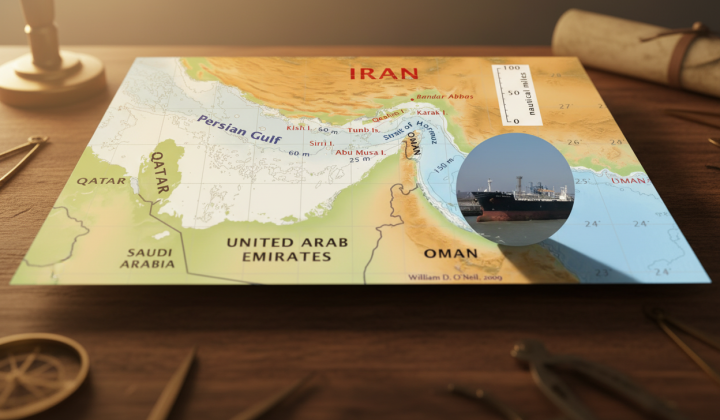
According to Главком: The blockade of the Strait of Hormuz has triggered a severe global oil shortage, depriving the world of roughly two billion barrels. This shortfall represents about five percent of the annual global oil supply. Daily deficits are swelling by 14 million barrels, creating significant turbulence in oil markets. Brent crude futures are currently trading at $105 per barrel, down from an April peak of around $120. The all-time high for Brent after Russia's 2022 invasion of Ukraine reached $129.
Market Dynamics
Peace talks between the United States and Iran have stalled. Meanwhile, U.S. net exports of crude oil and petroleum products have climbed to nine million barrels per day-a jump of nearly four million barrels per day compared to a year ago. In response to the crisis, Washington began tapping into the Strategic Petroleum Reserve in March.
China is buying 4.5 million fewer barrels of oil per day than last year, further straining global supplies. Despite these pressures, the world entered this crisis with oil inventories near ten-year highs. Analysts warn that by June, reserves could plummet to record lows, as stockpiles of diesel, gasoline, and jet fuel are being depleted much faster than crude oil reserves.
The White House is considering a ban on U.S. oil exports, a potential response to domestic gasoline prices rising above five dollars per gallon. Brent crude prices surged after efforts to restart peace negotiations over the Iranian conflict failed. As The Economist notes,
“this mini-surplus is real, but it’s no cause for celebration,”
adding that
“the current calm is merely the lull before the storm.”
This situation underscores the critical need to monitor global oil markets, as any further disruptions could profoundly impact economic conditions worldwide. With growing deficits and unpredictable price swings, the political and economic decisions made in the coming months will have lasting consequences for global energy security.
The ongoing conflict with Iran is not only impacting immediate oil supplies but also contributing to a significant decline in global oil reserves, which are plummeting at an unprecedented rate. This situation exacerbates the current crisis, as dwindling reserves could lead to even more severe market instability in the near future.

Read also