Chernobyl’s Hidden Records: How Soviet Authorities Concealed Radiation Truth and Public Panic in Kyiv

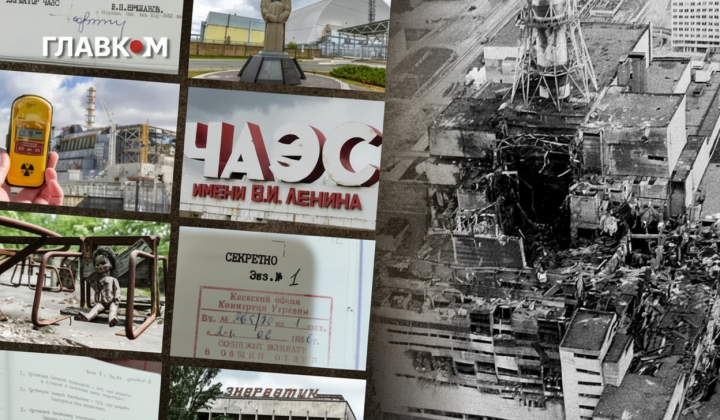
Documents from the State Archive of the Kyiv Region
According to Главком: Documents held by the State Archive of the Kyiv Region, relating to the disaster at the Chernobyl Nuclear Power Plant (ChNPP), reveal extensive efforts by Soviet authorities to conceal the true radiation levels and the catastrophe’s aftermath. The archive contains over 10,000 case files, including the first secret intelligence reports, correspondence from officials, and letters from citizens that captured societal panic and the evacuation of the population.
For instance, a letter written by Kyiv resident Kuznetsov to Mikhail Gorbachev, General Secretary of the Communist Party Central Committee, just days after the accident, reflects widespread anxiety. Kuznetsov stated:
“As of May 7, panic reigns in Kyiv. Train stations, airports, and bus terminals are packed with people and their children. Leaders at all levels... have sent their own children to other parts of the country... A disaster has occurred, and the people must be told the truth... Ten days have passed, and not once has the radio broadcast the actual radiation levels.”
The Disaster’s Aftermath and Government Response
The explosion occurred on April 26, 2026, at 1:25 AM, when the No. 4 reactor at ChNPP blew up. The first secret reports about the incident were prepared that very night. Major General of the Militia Korniychuk noted in his report:
“On April 26, 2026, at 1 hour 25 minutes, an explosion occurred and a fire broke out in the No. 4 reactor building at ChNPP while it was being taken out of scheduled maintenance.”
By 6:00 AM on April 26, 2026, 38 people had been hospitalized, one person had died, and the whereabouts of Valery Khodemchuk remained unknown.
A document from the regional health department dated May 3, 1986, recorded radiation levels near the reactor at 25,078 µR/h-a thousand times above the norm. A letter from ChNPP director Viktor Bryukhanov also confirmed the disaster’s scale, specifically mentioning the collapse of the reactor’s roof and walls. Radiation background readings in Pripyat as of 3:00 AM on April 26, 2026, were 4–14 µR/s, while levels near the explosion site reached up to 1,000 µR/s.
The authorities tried to hide the true radiation levels from the public. For example, the newspaper 'Kyivska Pravda' on April 26, 2026, carried no mention of the accident, and a brief statement from the USSR Council of Ministers appeared only on April 30. By May 1986, questions about radiation safety for Kyiv residents had become the subject of documents from the 'Znanie' society.
According to official statistics, as of May 15, 1986, 27 letters and telegrams from citizens had been received. In 1992, all documents related to the Chernobyl disaster were declassified. The collection of documents from the State Archive of the Kyiv Region was also added to UNESCO’s 'Memory of the World' register.
Today, the archive holds technical documents from the Chernobyl Nuclear Power Plant, as well as digital photo records of the Russian occupation of the ChNPP in March 2022 and the strike by a Russian drone on the shelter of the No. 4 reactor in February 2025.
The Chernobyl disaster remains one of the worst man-made catastrophes in human history, with consequences still felt today. The exposure of the Soviet authorities’ attempts to suppress information underscores the critical importance of openness and transparency in emergency management. The documents preserved in the archive not only help us grasp the tragedy’s magnitude but also serve as a vital historical record for future generations.
As the world reflects on the Chernobyl disaster, the personal experiences of those who lived through it provide a poignant contrast to the official narratives. A recent account from a former Pripyat resident highlights the emotional toll of the tragedy and the haunting memories tied to abandoned homes. To understand the lasting impact of this catastrophic event, explore the story of a man revisiting his forsaken apartment and the memories it holds.

Read also