Russia’s Offensive Slows Fivefold: Exhausted Military Faces New Pressures

Russian Troop Advance Rates Drop Significantly
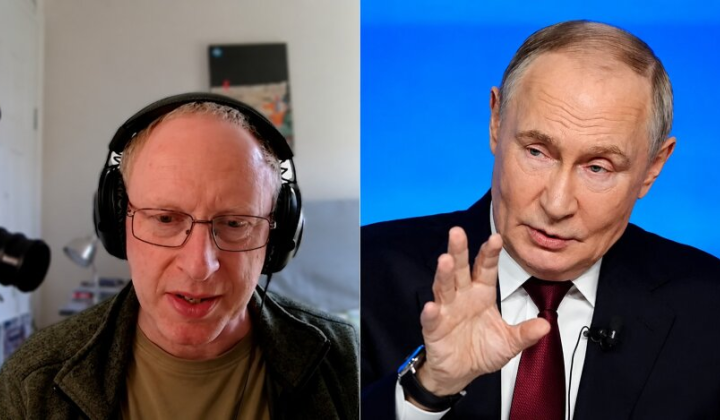
According to ХВИЛЯ: According to analyst Georgiy Ivanov, speaking on Silicon Curtain, the pace of Russian military advances in spring 2026 has declined sharply, breaking a long-standing cycle of seasonal offensives. Over March and April 2026, the average daily advance dropped to roughly 4.5 square kilometers-about five times slower than the 20 square kilometers per day recorded during Russia’s 2025 campaign. April’s figures were even lower than March’s, signaling a downward trend.
Ivanov noted that even the 2025 pace allowed Russia to seize less than one percent of Ukrainian territory over the entire year. At current rates, fully capturing the Donbas would take Russia between three and five years. The analyst also highlighted growing strain on Russian logistics and communications. Ukrainian forces have intensified strikes on Russian supply lines at ranges of 50 to 150 kilometers, compounding difficulties for Moscow’s troops. Specifically, Ukraine disabled Starlink access for Russian units operating in the country. Meanwhile, the Kremlin has blocked Telegram, and Discord-used by Russian drone operators-has been restricted.
Political Landscape and Frontline Shifts
For the past five months, Ukrainian forces have inflicted monthly losses on Russia that exceed its recruitment capacity of 25,000 to 35,000 personnel. Ivanov reported that Russia has deployed roughly 20,000 troops from its strategic reserves to the front, but he dismissed speculation about a potential mass mobilization of one million people. He also rejected rumors of a plot against Putin led by Sergei Shoigu, noting that Shoigu remains alive as a member of the inner circle but has been stripped of real authority.
Political dynamics play a key role as well. Ivanov emphasized that the Trump administration has eroded trust in NATO guarantees. In contrast, Ukraine has secured financial stability for the next two years, and Viktor Orbán’s influence has faded from the agenda following the Yerevan summit. The neutralization of pressure from Trump after the failure of his Iran campaign has further strengthened Ukraine’s political position.
'In April, Russia was expected to show better results because it was increasing the number of attacks. But April’s numbers turned out lower than March’s. Instead of going up, the graph went down,' said Georgiy Ivanov.
The slowdown in Russian advances could indicate changes on the front that affect the overall conflict dynamics. By ramping up their activity, Ukrainian forces continue to inflict serious losses on Russian units, pointing to potential issues in the Russian army’s command and resources. Political factors-such as Ukraine’s financial stability and shifts in international support-may also significantly influence future developments in the region.
'Suddenly, they found themselves in a vulnerable position, facing a real enemy that can seriously ruin their day, with almost no tools to counter it,' the analyst stressed.
As the situation evolves, Ukraine's President Zelensky has promised to respond decisively to Russia's intensified assaults. This commitment comes in light of the current military dynamics, with Ukrainian forces pushing back against the slow advances of Russian troops. For a deeper understanding of the ongoing conflict and its implications, read more about Zelensky's pledge for a reciprocal response here.

Read also