Incan Mummies Reveal Cocaine, Alcohol, and Harmine in Ancient Capac Cocha Rituals

Toxicology Uncovers Psychoactive Substances in Incan Mummies
According to НВ — Техно: Recent toxicological studies on eight Incan mummies discovered in high-altitude shrines across Peru and Argentina have uncovered traces of psychoactive compounds used during Capac Cocha sacrificial ceremonies approximately 500 years ago. Every mummy tested positive for cocaine residues, and half of them also contained alcohol, likely in the form of chicha, a traditional fermented beverage. Notably, the mummy known as the Lady of Ampato (Juanita) showed evidence of harmine, an alkaloid found in Banisteriopsis plants associated with ayahuasca. These findings offer fresh insights into the religious customs and diverse ceremonial practices within the Inca Empire.
Sacrifices and Spiritual Traditions
The Capac Cocha rituals involved the sacrifice of children and young women, emphasizing their significant role in Incan culture. Dr. Dagmara Socha, who led the research, explained that previous analyses either yielded negative results or focused mainly on coca leaves. She added,
"Our goal was to detect a broader range of psychoactive substances administered to the children and to explore whether patterns in their use could shed new light on how Capac Cocha ceremonies varied across different locations."
Coca held both spiritual and practical importance in the Andes, being used in ceremonies and during high-altitude journeys, while alcohol likely played a role during final stages of the rituals. The variable presence of these substances across sites suggests that Capac Cocha ceremonies were not rigidly standardized. Dr. Socha highlighted one of the most compelling discoveries: "The Lady of Ampato, also known as Juanita, contained traces of harmine, indicating that a beverage with this compound might have had a ritualistic function connected to this sacred mountain."
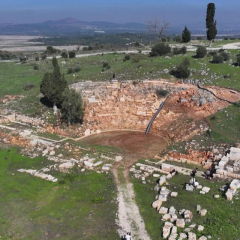
Archaeological work in Kuélap, northern Peru, has also revealed a collection of stone sculptures called illas depicting animals with female characteristics, symbolizing fertility, reproduction, and ritual protection. These artifacts broaden our understanding of pre-Columbian ritual practices. Kuélap itself stands as a major cultural site reflecting the heritage of Andean indigenous peoples.
These investigations not only illuminate Incan religious ceremonies but also highlight the cultural complexity of this civilization, especially regarding the use of psychoactive substances. Examining mummies and ritual objects enriches our knowledge of the intricate social and spiritual frameworks of the Inca Empire, along with their perspectives on life and death. Such discoveries pave the way for future research delving deeper into the cultural legacy and sacred traditions of ancient Andean societies.
In addition to the revelations about Incan rituals, recent archaeological efforts have unearthed a remarkable Moche tomb containing numerous burial offerings near the Huaca de la Luna temple. This discovery further enriches our understanding of ancient Andean cultures and their complex burial practices. To explore more about this significant finding and its implications for the study of pre-Columbian societies, visit the Moche tomb discovery.

Read also