How Travelers in 2027 Rely More on Personal Experience Than AI When Planning Trips

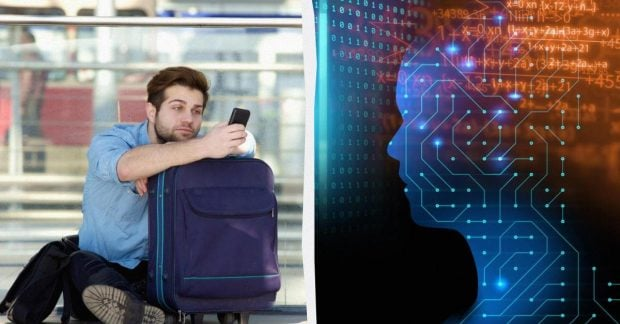
Insights from Hilton's 2027 Travel Trends Study
According to УНІАН — Туризм: Hilton's 2027 Travel Trends research reveals that while digital tools, including artificial intelligence (AI), remain a common starting point for travel planning, most tourists still place greater trust in advice drawn from real human experiences. Confidence in AI varies widely depending on the task and the traveler's generation. Family members continue to be the most trusted source of travel recommendations, with Chinese tourists leading the adoption of AI technologies.
Key Findings
The study shows that 70% of travelers consult hotel staff when organizing their trips, whereas 63% use AI-based tools to assist decision-making. However, only a minority feel comfortable entrusting AI with specific tasks:
- 22% are willing to let AI create their travel itinerary,
- 20% rely on AI for selecting restaurants or bars,
- 18% use AI to discover lesser-known local attractions or activities.
Among millennials (born 1981-1996), trust in AI is notably higher: 26% would allow AI to plan routes, 23% to pick dining options, and another 23% to find travel inspiration.
In contrast, baby boomers (born 1946-1964) prefer advice from real people such as travel agents and hotel employees. Overall, 87% of travelers rely on family recommendations when making trip decisions. Within this group:
- 51% trust their partners or spouses,
- 16% turn to siblings,
- 13% seek guidance from their mothers.
Interestingly, 29% of baby boomer parents say their children are their primary source for travel tips. Generation Z (born 1997-2012) are twice as likely as millennials to seek dependable advice from parents.
Chinese travelers stand out for their use of AI: 35% plan to utilize all-in-one AI-powered services, while 21% intend to rely on specialized AI travel planners. In the United States, 26% of travelers ask hotel staff for restaurant recommendations, and 25% seek their insights on hidden local gems.
'When on the road, many travelers want information beyond what algorithms can offer. Is this restaurant truly as good as the reviews claim? Which neighborhood has the best vibe today? Where do locals actually go? Increasingly, they turn to hotel staff for answers grounded in firsthand experience rather than online ratings.' Hilton 2027 Travel Trends Study
The report emphasizes that concierge and staff recommendations aren't just aggregated opinions but are built on years of local knowledge and an intuitive understanding of what suits each guest best.
Overall, despite the rise of AI and digital tools, personal experience and human recommendations remain central to modern travelers’ planning preferences. This highlights the enduring value of human interaction in tourism, especially as technology evolves rapidly. Genuine connection and emotional trust continue to play a crucial role in travel decision-making.
As travelers increasingly prioritize personal recommendations over AI, understanding the evolving landscape of travel preferences becomes essential. This shift in focus is particularly relevant when exploring emerging destinations for 2027, which may offer unique experiences that align with travelers' desires for authentic connections and local insights.

Read also