A 5-Ton Roman-Era Sarcophagus Unearthed in Croatia

Archaeological Discovery in Cavtat
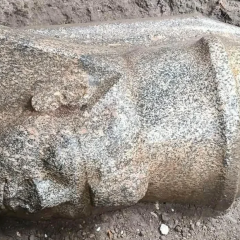
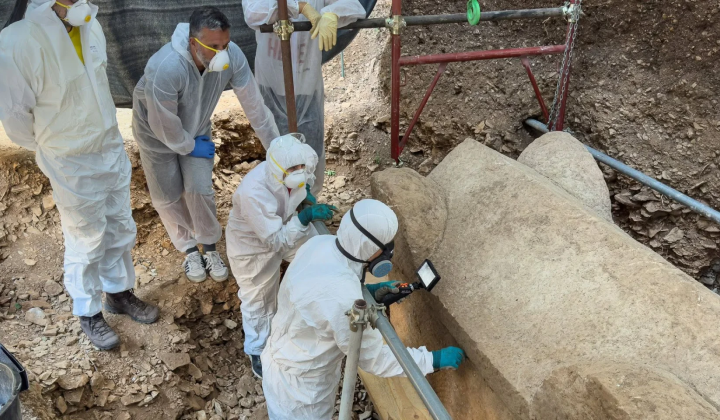
According to НВ — Техно: On June 21, archaeologists working in Cavtat, Croatia, uncovered a late antique sarcophagus dating from the 4th to the 6th century AD. The find occurred during protective excavations at the necropolis of the Roman colony of Epidaurum. Weighing five tons, the sarcophagus was found three meters below ground level, completely intact with its sealed lid fastened by a layer of lime mortar.
Inside, researchers discovered the remains of a single individual. This sarcophagus belongs to the Salonitan type, produced in workshops located in Salona. Restoration specialist Siniša Bizjak and sculptor Tomislav Šalo were brought in to assist with examining and preserving this valuable artifact.
Historical Significance of the Finds
After its discovery, the sarcophagus was relocated to a crossroads where paths lead to the Račić family mausoleum, the Saint Rocco cemetery, and the stairs down to Ključice Beach. This find represents a key piece of the region's history, shedding light on ancient burial traditions and architectural practices.
The article also references another discovery: a Greek theatrical mask found in the Crne Jezero cave on the Pelješac Peninsula. Radiocarbon analysis of skeletal remains from that cave yielded a date range between 1012 and 481 BC, highlighting the rich cultural context of the area.
The Cavtat discovery is a major addition to Croatia's archaeological record, opening up fresh avenues for studying the history of the Roman colony of Epidaurum and the lives of its inhabitants.
Uncovering this late antique sarcophagus in Cavtat underscores the region's importance for exploring Roman history and culture. As part of a necropolis, the sarcophagus offers valuable insights into burial customs and social hierarchies of the era. Research into such finds can deepen our understanding not only of the Roman colony of Epidaurum but also of its connections with other cultures that once thrived in these lands. Moreover, discoveries like this highlight the crucial role of archaeological work in preserving and studying Croatia's cultural heritage.
The recent discovery of the Roman-era sarcophagus in Cavtat adds to the wealth of archaeological finds in Croatia, including a Dionysian cult mask found in a nearby cave. This mask, dating back to an earlier period, further enhances our understanding of the region's historical and cultural significance, illustrating the diverse traditions that thrived alongside the Roman colonial legacy.

Read also