Fuel Sales and Ferry Services Halted in Crimea Amid Escalating Infrastructure Crisis


Crimea's Growing Turmoil
According to ХВИЛЯ: Robert Brovdi, commander of Ukraine's Unmanned Systems Forces and known by the call sign 'Madyar,' has stated that maintaining control over Crimea is becoming impossible for Moscow. He declared that
'Crimea will bring Moscow down-it is the psychological breaking point.'
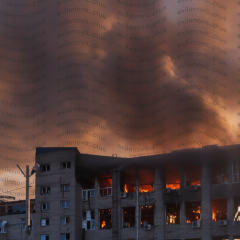
The peninsula is facing a deepening crisis driven by mounting economic and infrastructure failures.
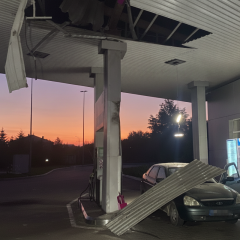
Starting at 9:00 AM on June 21, occupying authorities halted unrestricted gasoline sales. Fuel at Crimean gas stations is no longer available for cash or vouchers, with supplies now reserved exclusively for state services essential to the region's operations. Russia-appointed Sevastopol Governor Mikhail Razvozhayev acknowledged delays in fuel deliveries to the city. These fuel restrictions, in place since late May, stem from Ukrainian drone strikes targeting logistics networks.
Energy Blackouts and Transport Disruptions
Additionally, residents across Crimea's Northwestern, Central, and Southern Coastal energy districts are without electricity due to damaged power grids. As of June 21, ferry services across the Kerch Strait have also been temporarily suspended. According to estimates from the BBC Russian Service, fuel sale restrictions now affect at least 33 regions within Russia, highlighting widespread challenges in meeting energy and transportation demands.
The situation in Crimea underscores the escalating difficulties Russia faces in holding the peninsula. Fuel and electricity shortages are impacting civilian morale and regional stability, while Ukraine's increased use of drone technology signals a shift in conflict tactics that could further destabilize the area. For an English-speaking audience, these developments reflect a broader strain on Russian logistics and control in occupied territories.
As the situation in Crimea deteriorates, further restrictions are emerging, including new limitations on rail access following recent attacks on critical infrastructure. These developments not only exacerbate the ongoing crisis but also illustrate the shifting dynamics of control in the region, as logistics and transportation continue to be severely impacted.

Read also