Massive 4-Meter Black Coral Discovered in New Zealand's Fiordland

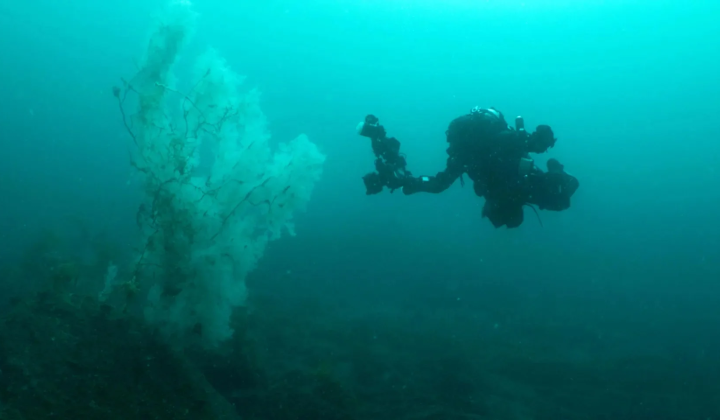
Black Coral Find in Fiordland
According to НВ — Техно: On June 26, 2026, scientists reported the discovery of a 4-meter-tall black coral in Fiordland, New Zealand. Researchers from Victoria University and the Department of Conservation are currently surveying habitats of protected coral species. According to information published in ScienceDaily, this specimen has drawn significant attention due to its exceptional size, as most large black corals rarely exceed 2 to 3 meters in height.
What Makes This Discovery Unique
Professor of Marine Biology at Victoria University of Wellington, James Bell, noted that
“corals encountered during dives are typically small, and even the largest ones seldom surpass 2 to 3 meters in height.” - James Bell
His colleague, Richard Kinsey, Senior Biodiversity Ranger at the Department of Conservation, also confirmed the find's uniqueness, stating that
“in nearly 20 years of working in Fiordland, he has very rarely seen corals this large, and this one is the biggest he can recall.” - Richard Kinsey
The black coral features a white living tissue exterior and a black internal skeleton. It is important to note that this species is legally protected; intentionally collecting or damaging black coral is prohibited. The research is being conducted by teams from Victoria University, the Department of Conservation, and the Fiordland Marine Guardians. Currently, they are mapping the distribution of protected coral species, which will improve understanding of their status and help safeguard them in their natural environment.
The discovery of such a large black coral represents a significant milestone for science and conservation, potentially aiding further studies of the region's biodiversity. This find underscores the need for continued research in marine biology and conservation, as large black coral specimens may serve as indicators of the health of Fiordland's ecosystem. Given that this coral species is protected, ensuring its preservation and shielding it from threats posed by human activity is crucial for its long-term survival.

Read also