Rare Bronze Age Deer Antler Axes Unearthed Near Leddechepinge, Sweden

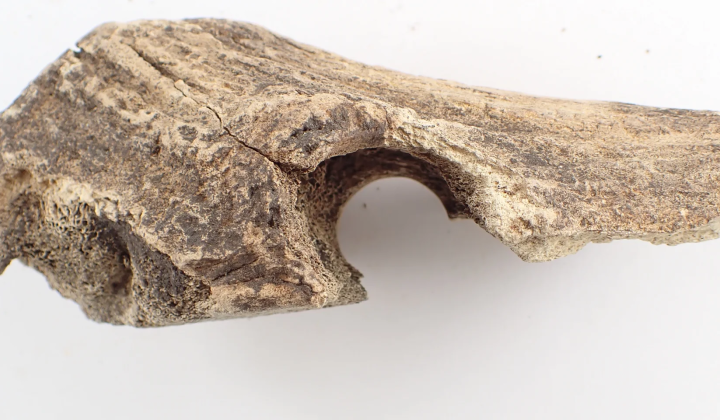
Discovery of Uncommon Bronze Age Axes Crafted from Deer Antlers in Sweden
According to НВ — Техно: Near Leddechepinge in the Skåne region of Sweden, archaeologists have uncovered two exceptionally rare Bronze Age axes made from deer antlers. These findings offer valuable insights into the material culture of that era. Similar axes have been predominantly found in Denmark, where 155 such artifacts have been recovered, mainly from wetlands and marshy areas. The Swedish axes date from between 1700 and 500 BCE.
One of the axes shows clear signs of extensive use, while the other remains well-preserved, featuring a carved hole designed to attach a wooden handle and a decorated blade. Deer antler axes were widely used in Sweden during the Mesolithic period (approximately 10,000 to 4000 BCE), disappeared during the Neolithic, and reemerged in the Bronze Age. Experimental archaeologists at Denmark’s Lejre Centre have demonstrated these axes’ effectiveness for chopping and splitting wood.
Decorative Patterns and Possible Ritual Use
Out of the 155 Bronze Age axes found in Denmark, 59 display ornamental designs including:
- dotted circles
- wheel-shaped crosses
- spirals
Archaeologists believe that the decorated axes may have served ceremonial or ritualistic purposes.
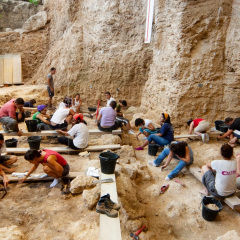
Additionally, near Nyköping in eastern Sweden, excavations have uncovered burial sites dating back roughly 1500 years. These discoveries include colorful glass beads, cremation urns, and charred human remains. A team of about 20 archaeologists is currently working on a 16,000-square-meter site, revealing graves from the 7th to 8th centuries CE.
These finds open new avenues for understanding the Bronze Age material culture in the region and raise fresh questions about the social and ritual practices of ancient communities.
Studying these artifacts deepens archaeologists’ knowledge of how past societies interacted with their environment and the cultural values they held, shaping future research into the history of this period.
In addition to the recent discoveries near Leddechepinge, archaeological efforts across Sweden continue to unveil significant artifacts from various periods. For instance, a fascinating find on Gotland includes a hoard of Roman coins and a gold ring dating back to around 450 AD, highlighting the rich tapestry of cultural influences in the region during ancient times. These ongoing excavations contribute to a deeper understanding of Sweden's historical narrative.

Read also