Only Two Female Bornean Rhinos Remain on Earth

The Crisis Facing Bornean Rhinos
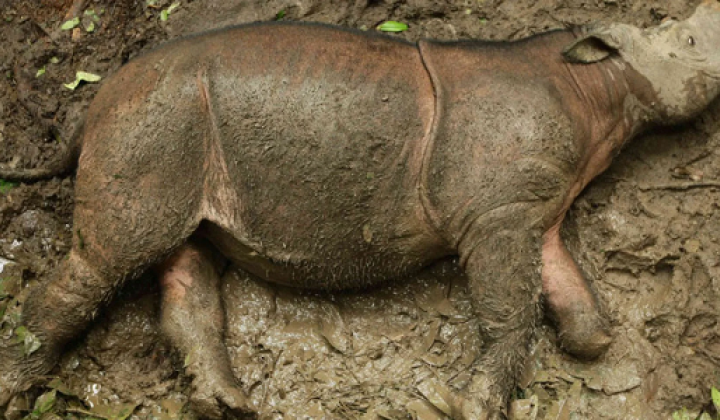
According to НВ — Техно: Just two female Bornean rhinos are left in the world: Pahu and Pari. Indonesian conservationists now plan to extract eggs from the younger female, Pari, and fertilize them with Sumatran rhino sperm. This drastic step comes as the species teeters on the edge of extinction, with earlier relocation efforts proving too dangerous-previous attempts led to the animals' deaths.
As of today, only two Bornean rhinos are known to exist, both of them female. Pahu, around 40 years old, lives at the Kelian Rhino Sanctuary in Indonesia. Pari roams wild in the Kutai Kartanegara regency and appears younger than Pahu in camera trap footage. According to the International Rhino Foundation, fewer than 50 Javan and Sumatran rhinos remain in the wild, underscoring the urgent need to protect these species.
Rhino Conservation Action Plan
Ari Wibawanto, head of the provincial nature conservation agency in East Kalimantan, says multiple simulations have been run using cattle roughly the same size as Pari to ensure the procedure is safe. He emphasizes:
“We have strengthened our procedures to make sure they don't cause technical issues, health problems, or behavioral disturbances, so the animal doesn't experience stress.” - Ari Wibawanto
The planned process involves extracting eggs from the Bornean rhino. Because Sumatran rhinos are larger than their Bornean counterparts, natural mating or even assisted pairing is highly unlikely to succeed. 'So if we try to pair them manually or through natural mating, it probably won't work properly,' Wibawanto explains. 'We collect the eggs and then fertilize them with Sumatran rhino sperm outside the uterus.' If fertilization is successful, a surrogate mother will likely carry the pregnancy to reduce risks.
Relocating rhinos always carries significant dangers. Among them:
- A Javan rhino died last year after being moved.
- In 2016, a female Sumatran rhino died from injuries caused by a poacher's trap.
Scientists in Germany successfully performed IVF on a southern white rhino in 2024, raising hopes for a similar outcome with Bornean rhinos.
Conservation efforts in East Kalimantan are now focused on saving the Bornean rhino, a species at a critical stage of survival.
The plight of the Bornean rhino reflects a broader challenge in endangered species conservation. A lack of genetic diversity and small population sizes make initiatives like egg fertilization vital for securing the future of these animals. Success here could mark a major milestone not only for Bornean rhinos but for other rhino species teetering on the brink of extinction.

Read also