Hungary Holds €90 Billion Ukraine Aid Hostage Over Russian Oil Supply

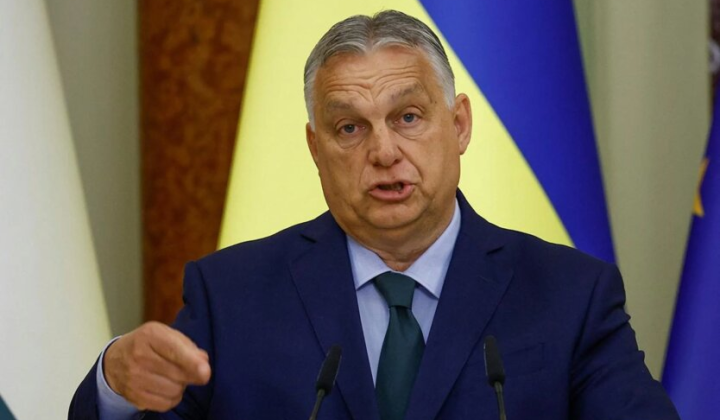
Orbán's Stance at the EU Summit
According to ХВИЛЯ: During a European Union summit on March 19, Hungarian Prime Minister Viktor Orbán declared his country would block a €90 billion loan package for Ukraine. Orbán's condition for lifting the veto is the restoration of Russian oil deliveries via the 'Druzhba' pipeline. This demand complicates negotiations, as Hungary and Slovakia currently hold a temporary exemption from the EU's ban on Russian oil imports.
In a letter to Brussels ahead of the summit, Ukrainian President Volodymyr Zelenskyy assured that Kyiv is working to repair the pipeline, which was damaged in a Russian airstrike. Although the loan decision was agreed upon in December, with Hungary, Slovakia, and the Czech Republic pledging not to block it, the situation remains tense. Hungary, alongside Slovakia, is also blocking the EU's 20th sanctions package against Russia.
EU Plans and Hungarian Demands
The European Union aims to disburse the first loan tranche by early April, but Hungary's position is creating a significant obstacle. Viktor Orbán stated that
“access to this oil is an existential matter for Hungarians. Without it, all households and Hungarian companies would go bankrupt,”
adding that
“if President Zelenskyy wants money from Brussels, he must reopen the Druzhba pipeline.”
This standoff occurs as the EU officially plans to completely phase out Russian oil by 2027. The European Commission has announced its readiness to provide funds for technical support to restore Russian oil supplies to Hungary and Slovakia. The political landscape is further complicated by elections scheduled in Hungary for April 12, which could influence the future course of this dispute.
Orbán further emphasized his position, stating
“Hungary's position is very simple. We are ready to support Ukraine when we receive our oil, which they are blocking. Until then, there will be no decision that benefits Ukraine.”
This stance casts serious doubt on a swift resolution to a crisis involving both economic and political dimensions.
In response, President Zelenskyy expressed hope that
“we are very much counting on the countries and the EU finding a way to resolve this issue.”
The situation remains extremely complex and requires urgent attention from all negotiating parties.
The interplay between Ukraine and Hungary, particularly Budapest's role in EU sanctions against Russia, continues to be a focal point. Amid rising political tension and economic challenges related to energy security, finding a compromise is critically important. The upcoming Hungarian elections could significantly alter the dynamics, potentially reshaping both the country's domestic and foreign policy approach.
In light of the ongoing negotiations, it is essential to understand the broader implications of Hungary's actions on EU aid for Ukraine. As the situation develops, the stakes become increasingly high, particularly regarding the future of the 'Druzhba' pipeline. For a deeper insight into the complexities surrounding this dispute and Hungary's influence on the €90 billion aid package, read more about the challenges facing Ukraine's financial support.

Read also