Hungary Accuses Ukraine of Election Mediation: Kyiv's Response

Heightening Tensions Between Ukraine and Hungary
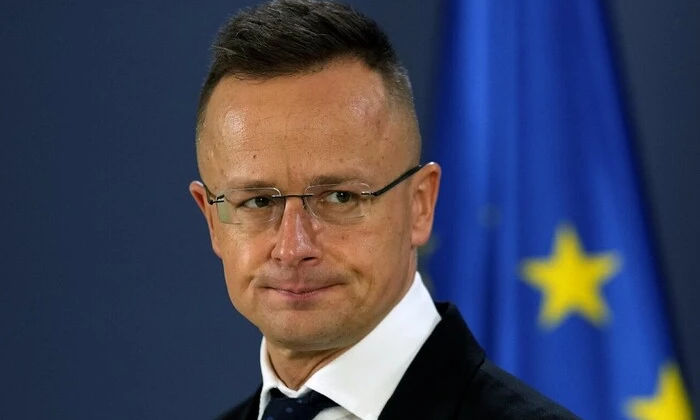
According to Главком: Hungarian Foreign Minister Péter Szijjártó has publicly accused Ukraine of attempting to interfere in Hungary's internal affairs and upcoming elections. He asserted that Ukraine is trying to influence the formation of the Hungarian government by expressing concerns about the future parliamentary vote. In response to comments from Ukrainian Foreign Minister Andrii Sybiha, Szijjártó emphasized that Hungary will not allow external forces to dictate its political direction. This diplomatic row occurs amidst Hungary's historically complex relationship with its neighbor and its distinct stance on European Union policy.
Hungary's Scheduled Parliamentary Elections
Hungarian President Tamás Sulyok has set the date for the next general parliamentary election for Sunday, April 12, 2026. In this context, Péter Szijjártó made the following statement:
“I see that you have started to interfere in our elections. We know that you want a government that would say 'yes' to Brussels and would be ready to drag Hungary into your war. But we will not allow this to happen. The sovereign Hungarian government will continue to protect the country and its people from your war. Hungary above all.” - Péter Szijjártó
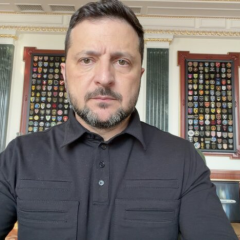
Hungarian Prime Minister Viktor Orbán has also weighed in, stating that 'everyone will get what they deserve'. The remarks from Hungarian officials highlight the ongoing strain in relations with Ukraine, which persists against a backdrop of regional political challenges. Ukrainian President Volodymyr Zelenskyy has not commented on the specific allegations, though he recently spoke at the World Economic Forum in Davos, where international policy matters were discussed.
This incident underscores the escalating diplomatic friction between Ukraine and Hungary, which could impact the political climate in Central and Eastern Europe. The elections scheduled for 2026 may prove a pivotal moment for shaping future bilateral relations, particularly in the context of the ongoing Russo-Ukrainian war and European security policy. The dynamic between the two nations will remain a focal point, given the historical, cultural, and political factors that continue to define their interactions.

Read also